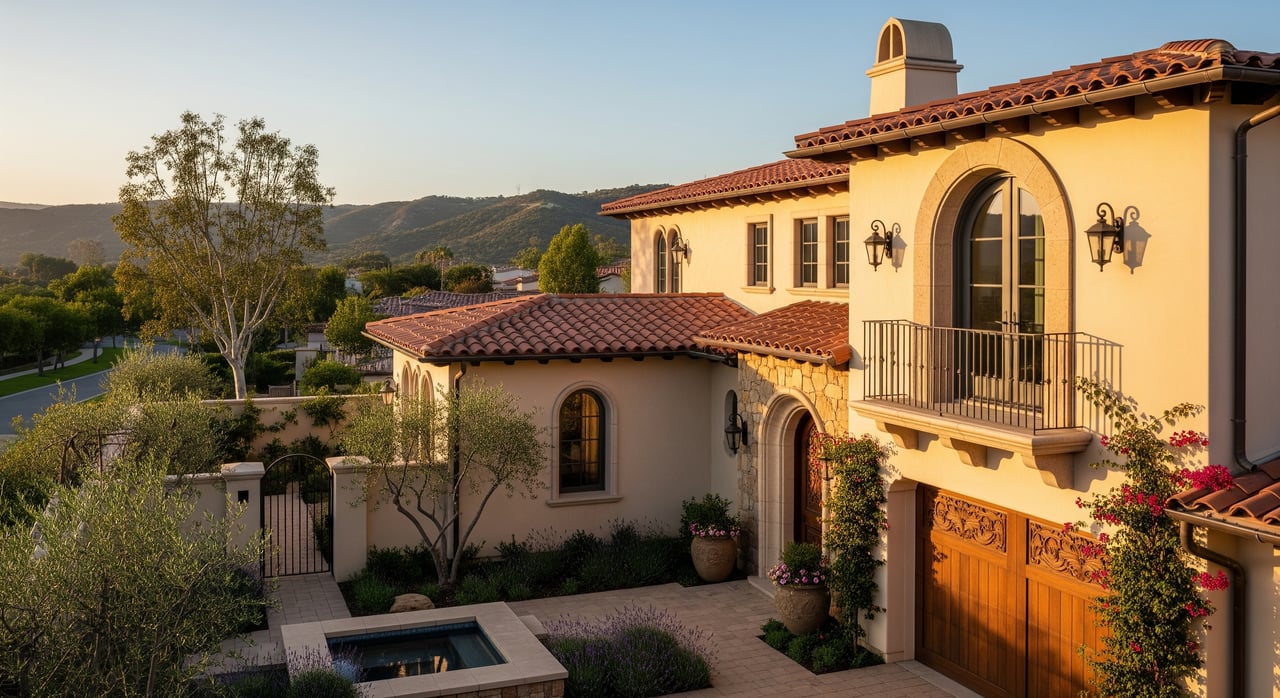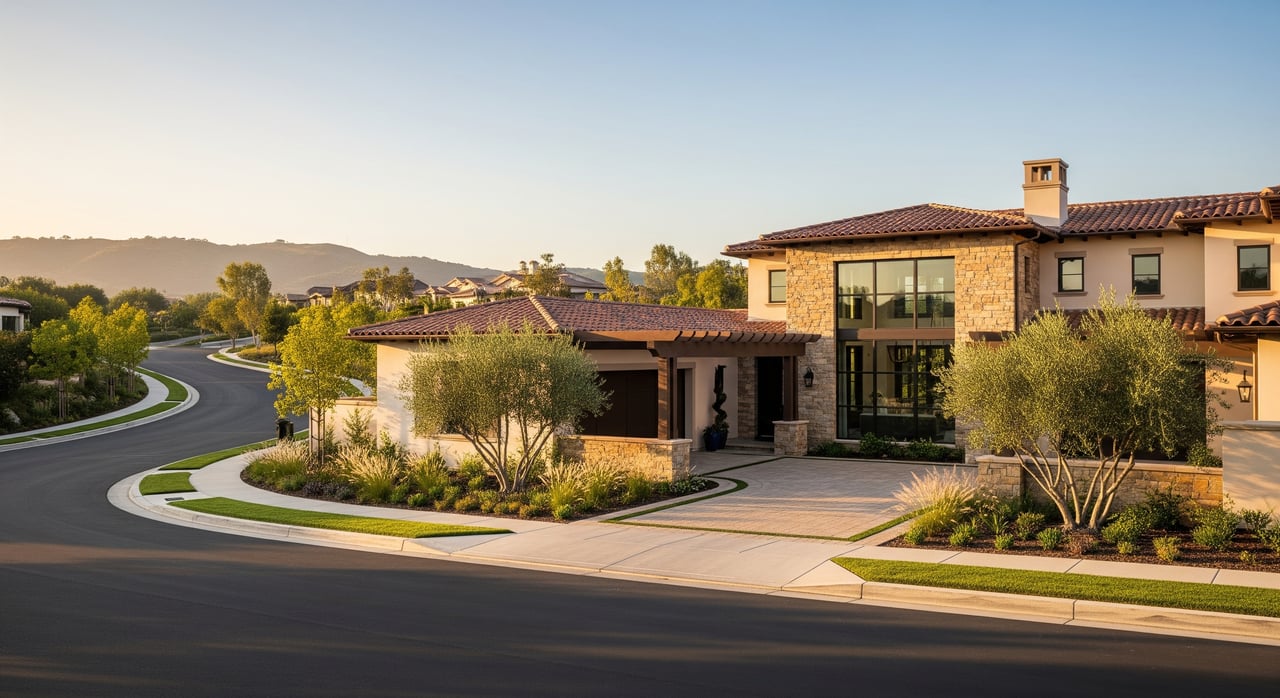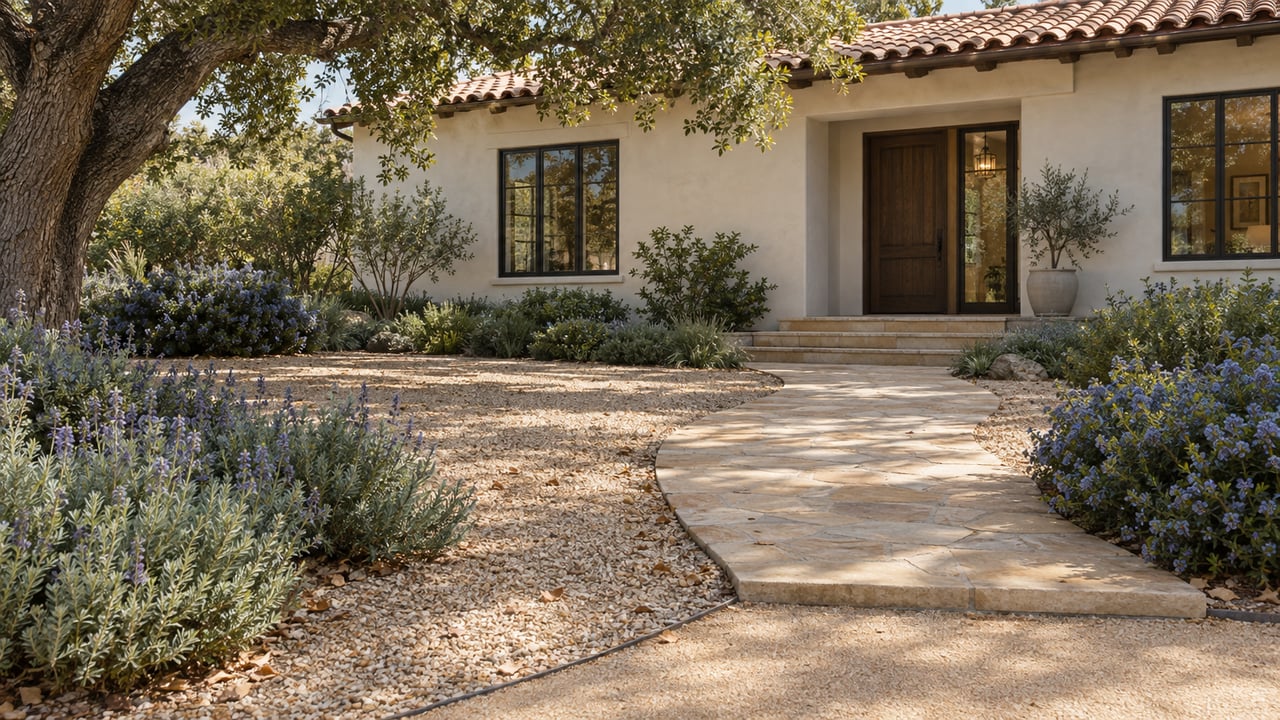
"The highest representation of horse training." That's how competitive dressage gets defined by the sport's own governing body, and it's the discipline the youth show team trains in at Nellie Gail Ranch's Hayden Clark Equestrian Center before qualifying rounds for the Orange County Interscholastic Equestrian League. It's a fittingly precise phrase for a community where almost nothing else gets measured the same way twice.
Ask how many miles of trail wind through Nellie Gail Ranch and you'll get a different answer depending on which page you land on. One source says 20 miles. Another says 22. A horse-boarding listing agrees, while two others land on 25. The Owners Association's own recreation page doesn't give a number at all, just a map. Published court counts vary too. The neighborhood's general description lists 12 lighted hardcourts, and the club's current site lists 10 lighted hardcourts along with 8 dedicated pickleball courts.
Trail mileage and court counts are not what organizes daily life here. What runs on a fixed schedule, with real consequences for showing up late, are two membership institutions: the equestrian center and the tennis and pickleball club. Everything else, including the trails connecting them, is infrastructure.
What Actually Sets the Calendar
The Nellie Gail Ranch Tennis & Pickleball Club has run its summer camp for 31 years, and it has sold out five years running. Registration requires a $50 non-refundable deposit, and the cancellation policy is unambiguous: full refund minus the deposit if you cancel more than 21 days before your reserved week starts, zero refund after that point, no exceptions for illness. Five full-time tennis professionals run adult and junior clinics year-round, and members compete in USTA, Pacific Sun, and Hill and Canyon league play, with juniors fielding their own USTA Junior Team Tennis squads.
A quarter mile away, the equestrian side of the community runs on a different but equally fixed rhythm. Mickey Hayden has trained hunter, jumper, and equitation horses and riders since 1979, with a résumé that includes stints at the Will Rogers Polo and Hunt Club and the Los Angeles Equestrian Center before he brought that training program to Nellie Gail. Dressage instructor Jess Havey has coached out of the center since 2015 and, in November 2018, rode client Angie Waian's mare Margriet to two Grand Championship titles and a Reserve Grand Championship at the Friesian World Cup in Las Vegas. The facility she trains out of holds 96 stalls, three lighted sand arenas, a covered euro-walker, and a clubhouse with a kitchen, all built to support a youth show team that competes in the Orange County Interscholastic Equestrian League Show Series and trains toward CDS Junior Dressage Rider Championships and USEF national divisions.
Neither club is casual. Both run on waitlists, deposits, and instructor rosters that don't change with the seasons the way trail conditions or court paint jobs do.
The Rules Written to Protect That Rhythm
None of this works without a rulebook that most residents interact with far more often than they interact with a trail map. Quiet hours run 7 a.m. to 8 p.m. Monday through Friday and 8 a.m. to 8 p.m. on Saturdays, with no construction permitted at all on Sundays or federal holidays. That's not a generic noise ordinance. It's a schedule built around the fact that early-morning dressage sessions and late-afternoon tennis clinics both need quiet windows on either side of them.
The zoning rule that matters most to the equestrian side is narrower and easy to miss: no lot under 15,000 square feet is permitted to have equestrian facilities at all. That single square-footage threshold is the line between a Nellie Gail Ranch home that can stable a horse and one that can't, and it has nothing to do with trail access. Other rules read like they were written by people who'd already seen what goes wrong when nobody enforces them: no trailer, boat, or RV can sit visible for more than 48 hours, garages exist for parking and storage only, no tree over 30 feet can be trimmed or removed without sign-off from the Architectural Review Committee, and even for-sale signage is capped.
Read individually, these look like standard HOA housekeeping. Read together, they describe a community that has organized its physical space around protecting two clubs' operating hours and one zoning threshold, not around maximizing trail frontage or court visibility.
Why the Boundary Sits Where It Does
The 15,000-square-foot line traces back further than the current HOA. Nellie Gail Ranch sits on land that was once part of Rancho Niguel, a roughly 19,000-acre Spanish land grant issued in 1842. Lewis Moulton arrived in Southern California in 1874 and, working with partner Jean Pierre Daguerre, built a 22,000-acre cattle operation across what's now Laguna Hills, Mission Viejo, and Laguna Niguel. He married Nellie Gail, a former schoolteacher born in Kansas in 1878, in 1908, and the two raised their family on the ranch.
As Orange County urbanized and the cattle business wound down, the Moulton family sold off most of the original acreage. Nellie kept a smaller parcel for herself, and when she died in 1972, she left 250 acres to Chapman University and sold the remaining 1,350 acres for $18,357,000. Presley of Southern California built the first homes on that land in the mid-1970s with an explicit goal of preserving the ranch character, and William Lyon Homes later acquired Presley and carried the same plan forward. The equestrian zoning that survives today, including that 15,000-square-foot cutoff, is a direct descendant of a subdivision plan designed to keep working ranch land legible inside a new residential tract.
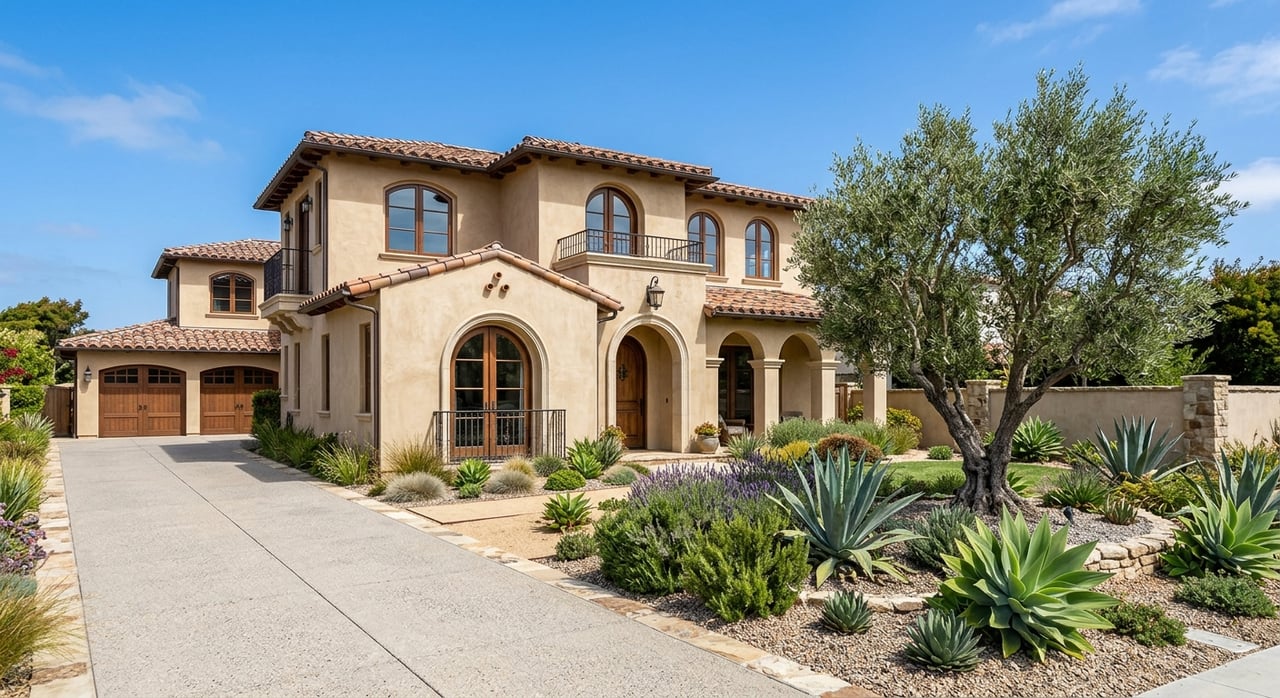
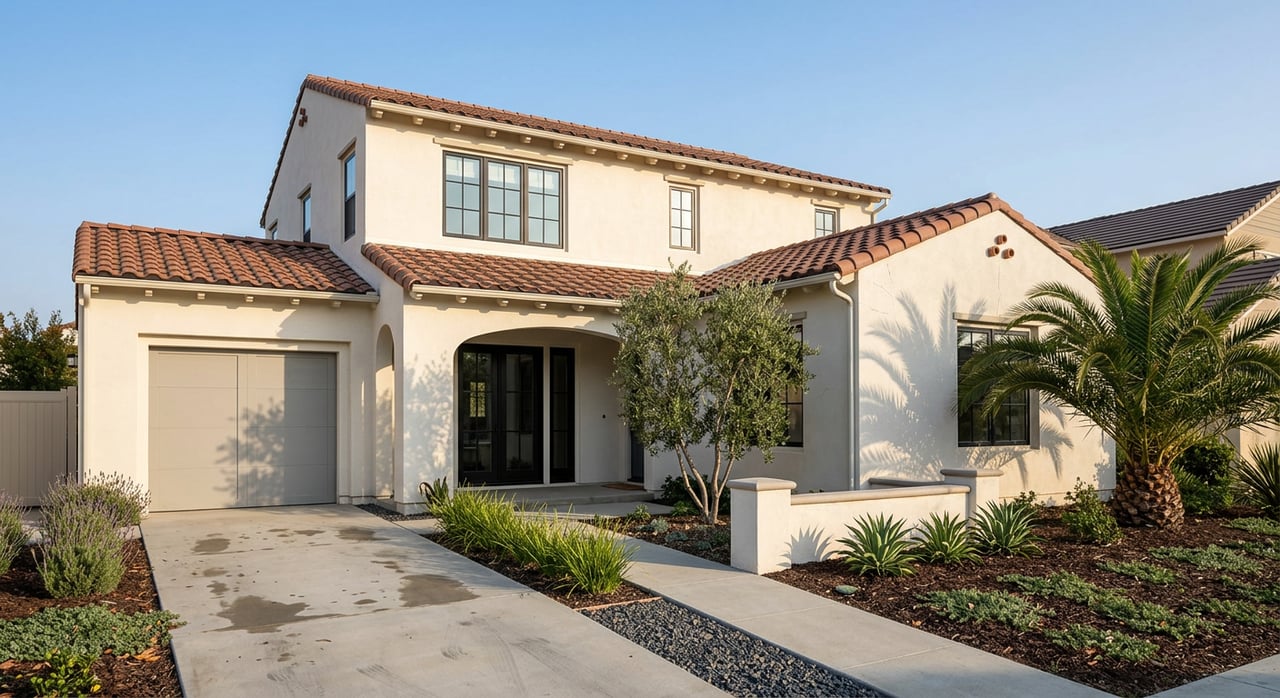
That history is also why the community reads as unusually settled for its size. Roughly 4,000 people live across about 1,400 homes, ranging from original builds near 1,700 square feet up to estates past 10,000 square feet, all inside a footprint carved out of one family's ranch rather than assembled from unrelated parcels over time.
The Trails Are the Connective Tissue, Not the Destination
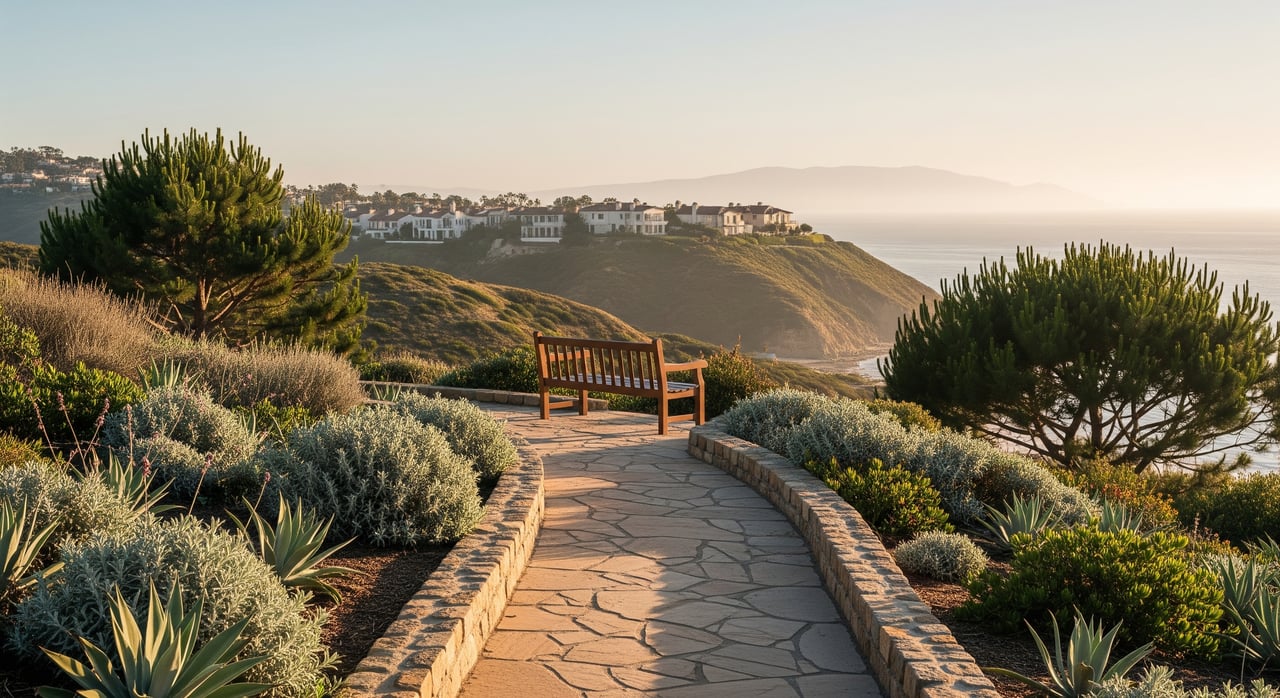
None of this makes the trail system irrelevant. Pedestrians use the same paths as boarders and their horses, and the elevated terrain gives walkers and joggers views of the Saddleback Mountains that don't require club membership to enjoy. But the disagreement over whether that network runs 20 miles or 25 tells you something real: nobody who actually uses the trails daily is the one arguing about the exact number, because the trails are the route between the tennis club, the equestrian center, and home, not a destination that gets tracked mile by mile.
The community's own rhythm makes the case better than any inventory count could. A camp that sells out five years straight, a trainer with 47 years of coaching experience, a zoning line traceable to a 1972 land bequest, and quiet hours built to protect both clubs' training windows describe a neighborhood that runs on fixed institutions with long memories. The trail mileage was never the story. It just got repeated often enough that it started to sound like one.
Nellie Gail Ranch's real texture lives in its clubs, its calendar, and its rulebook, not in a number that changes depending on which listing site you're reading. If you want the version of this community that goes past the trail-mileage tally, Matt Whitcomb has spent enough time in South Orange County's neighborhoods to know where the real details are kept.
This article is general information, not legal, tax or financial advice. Consult a qualified professional about your situation.