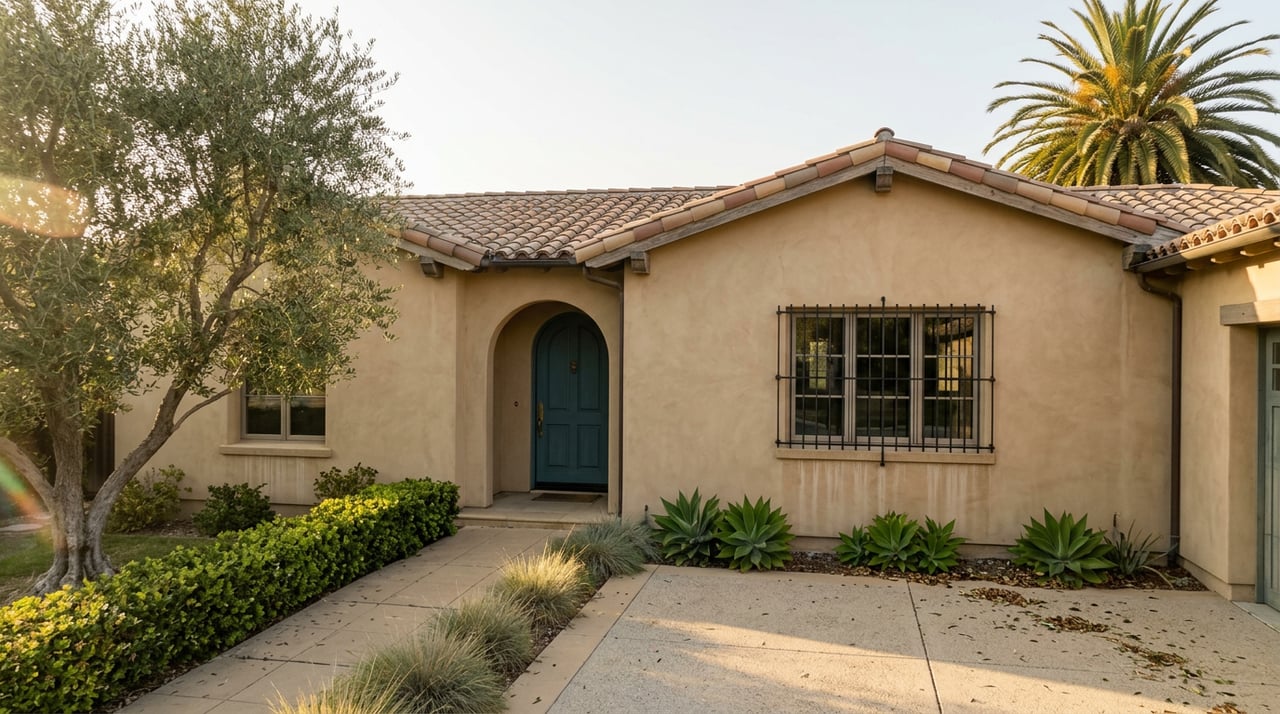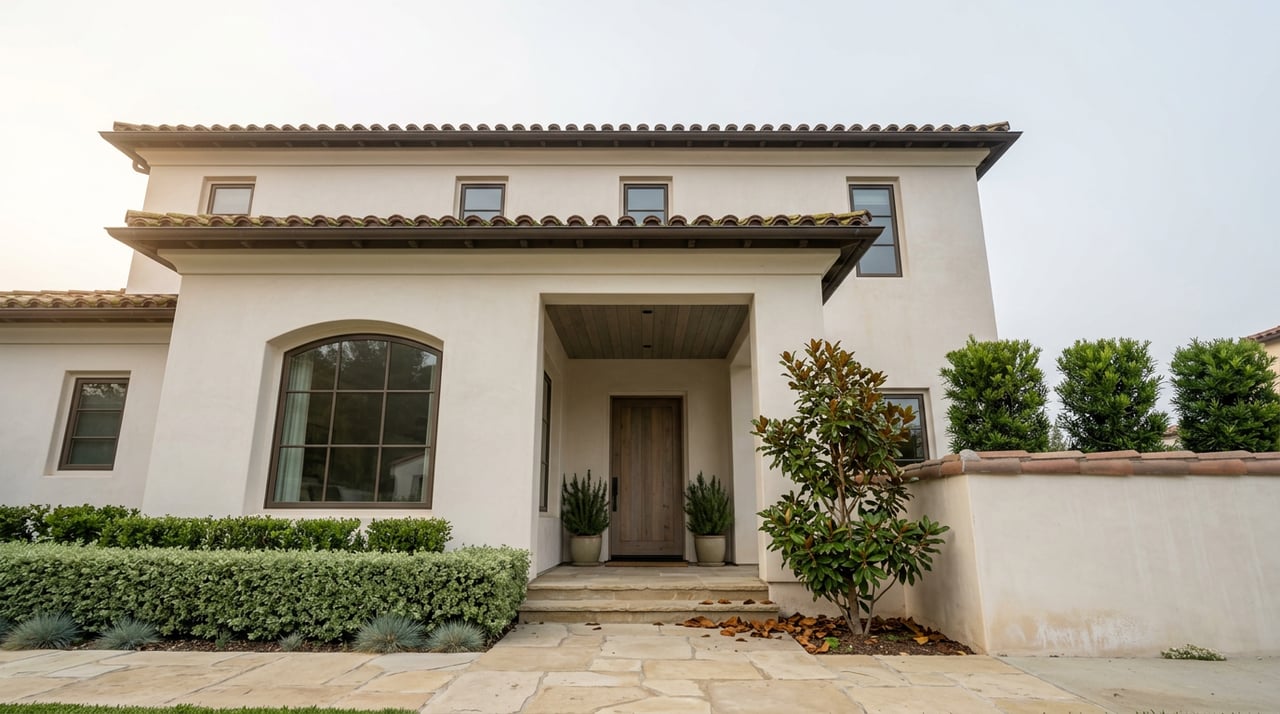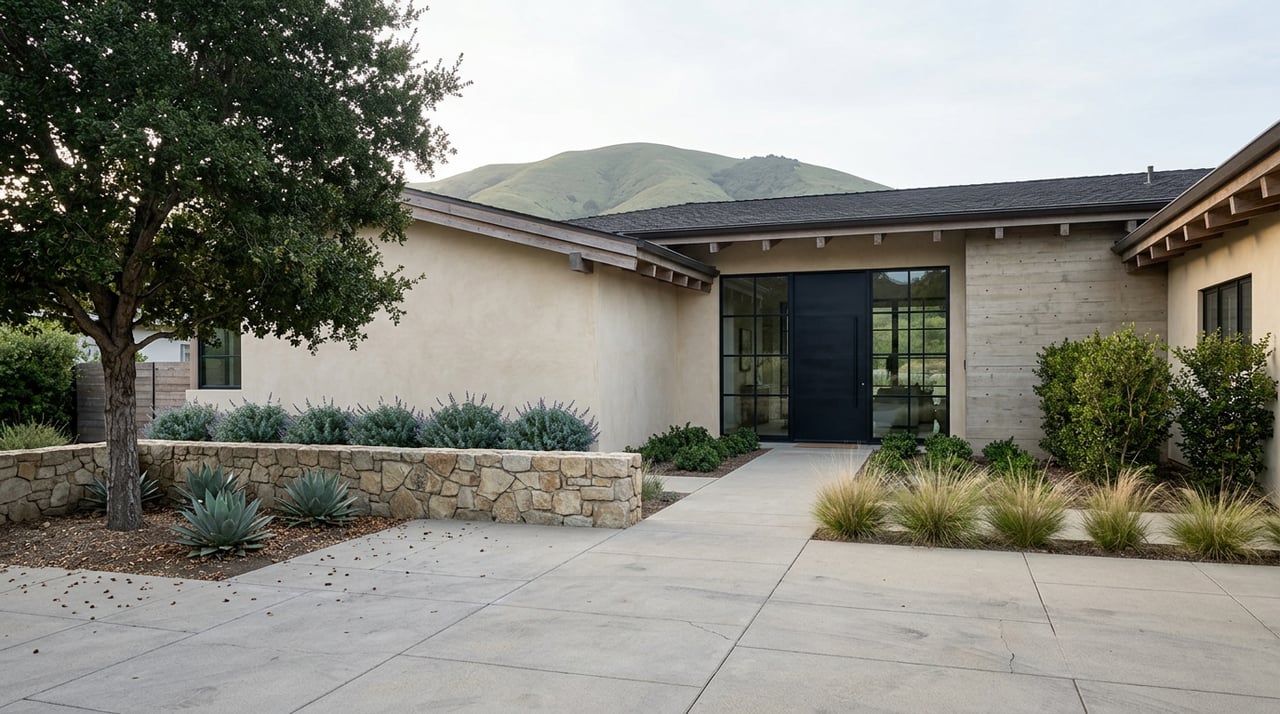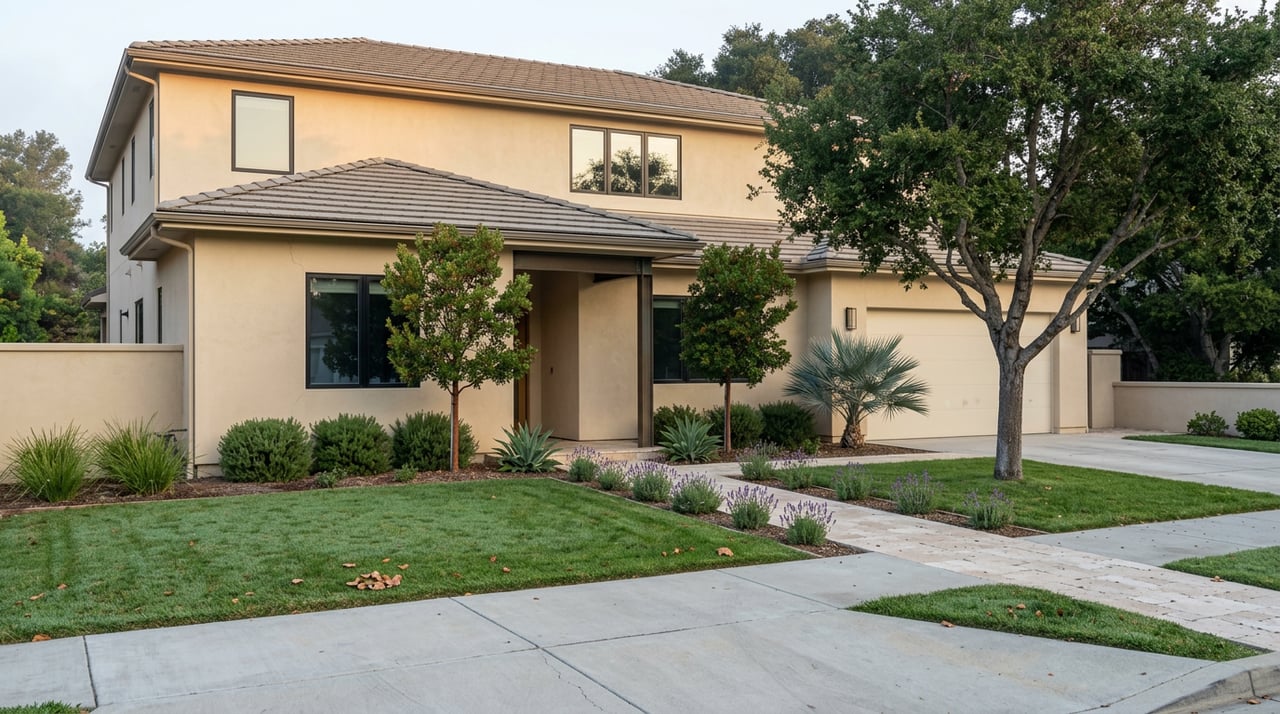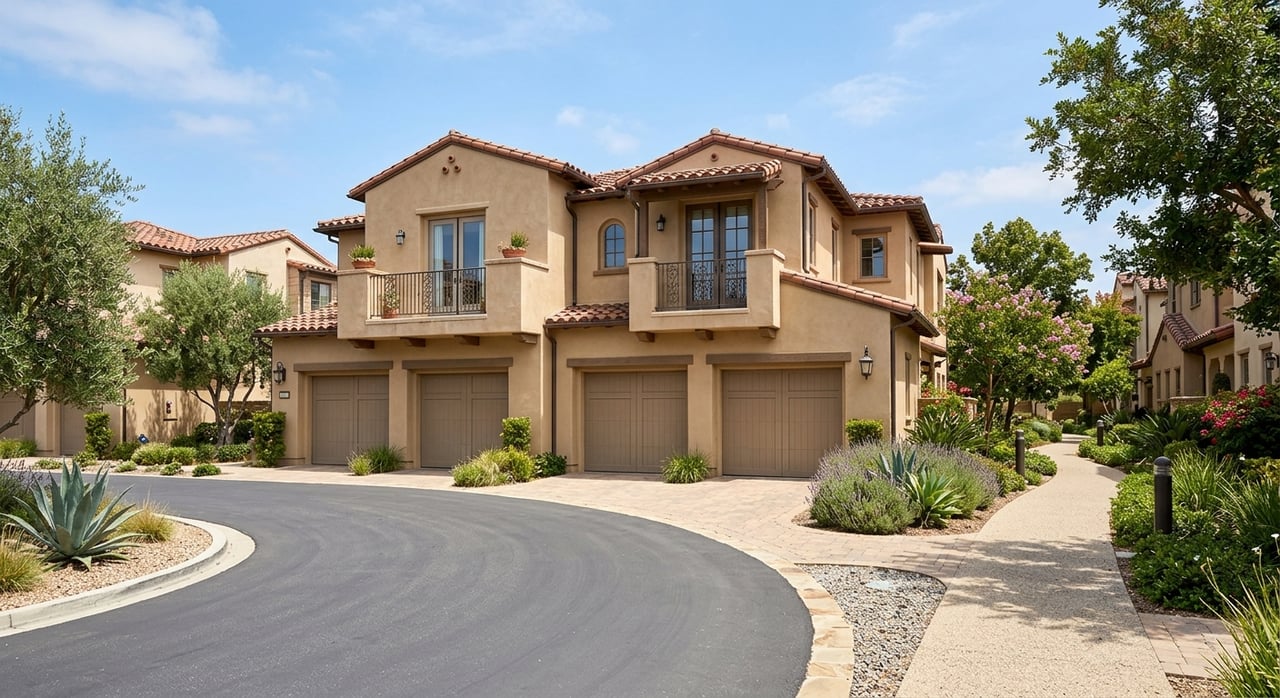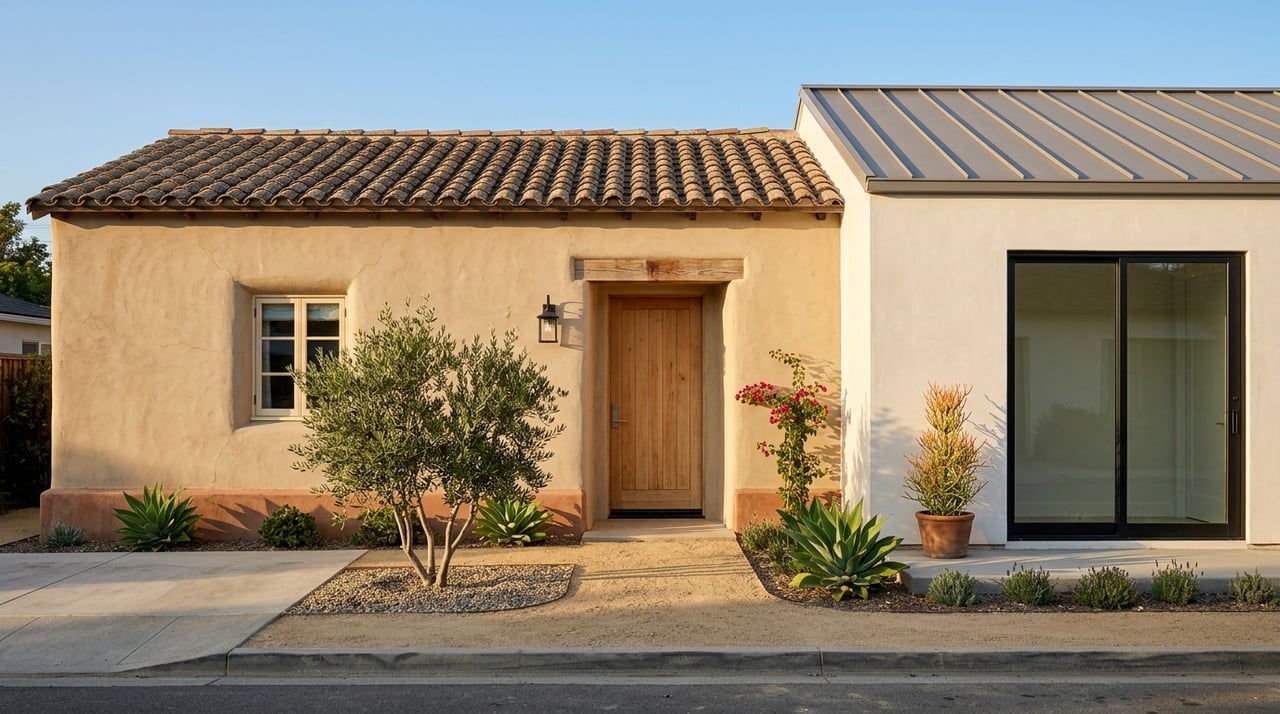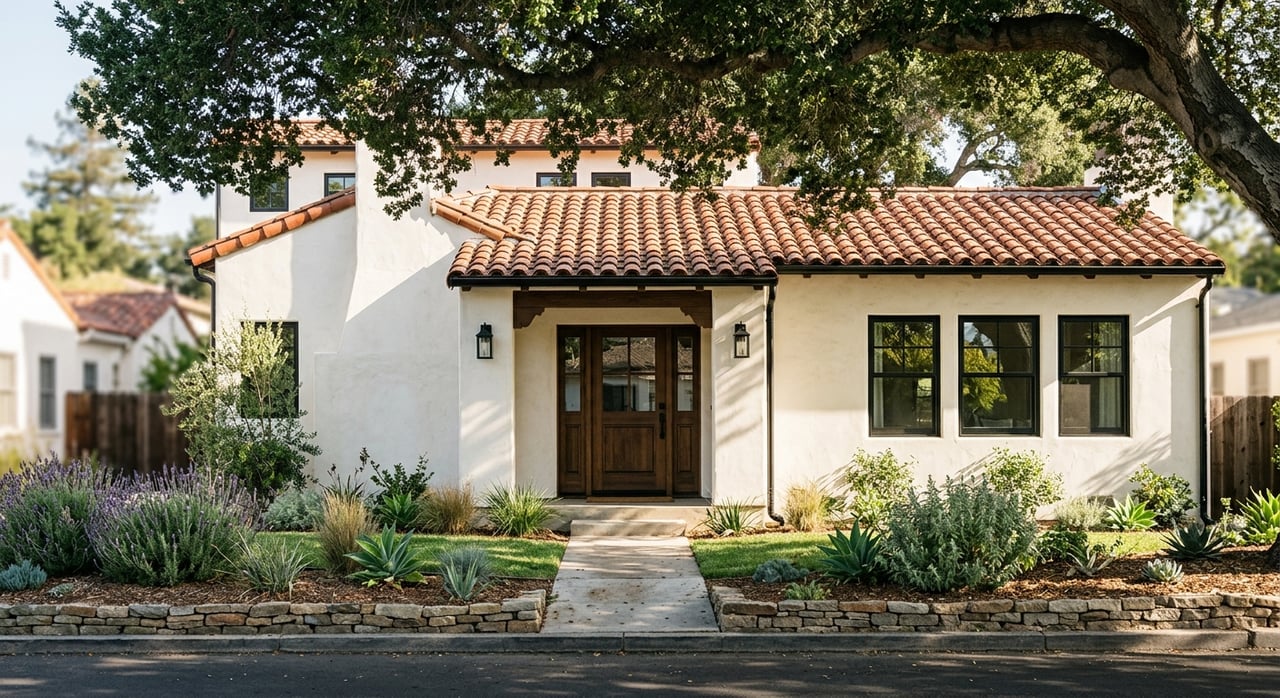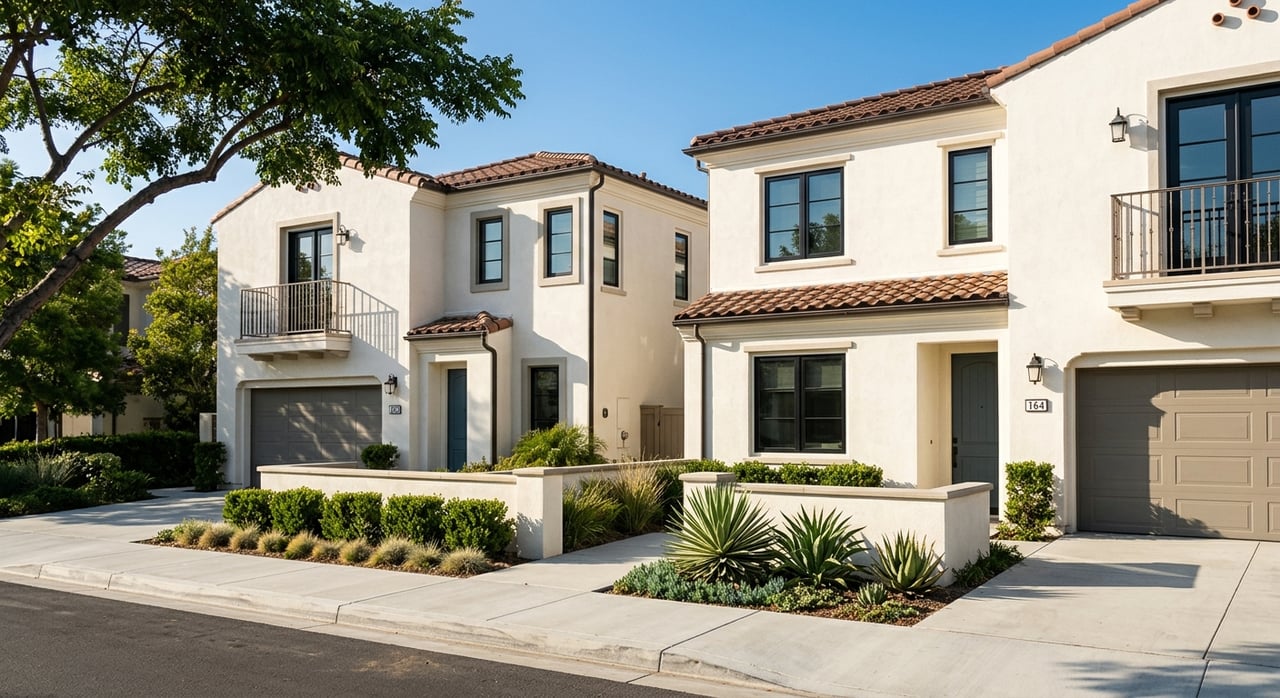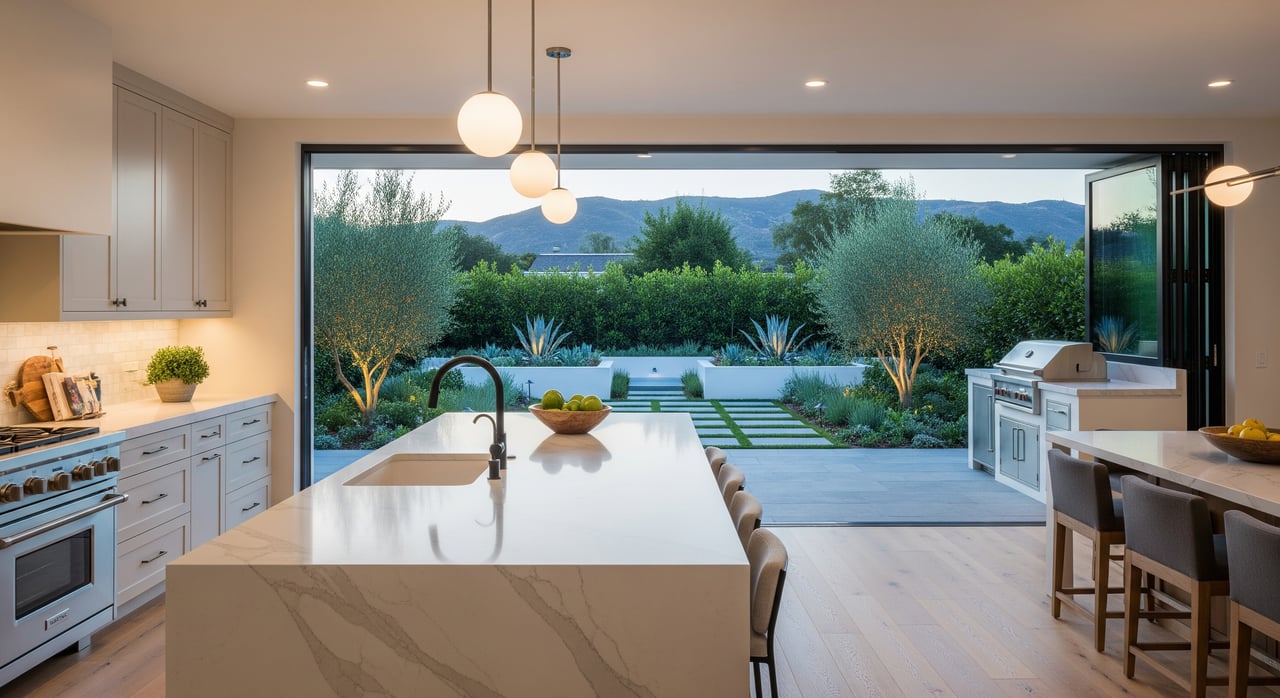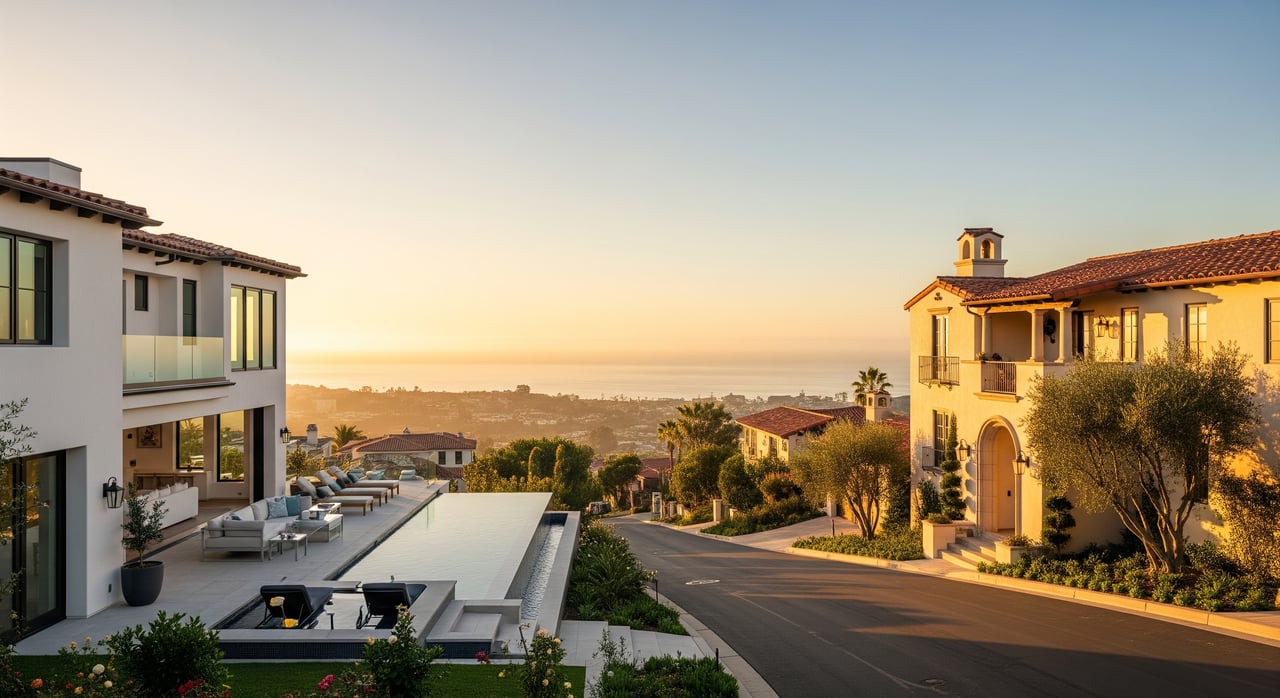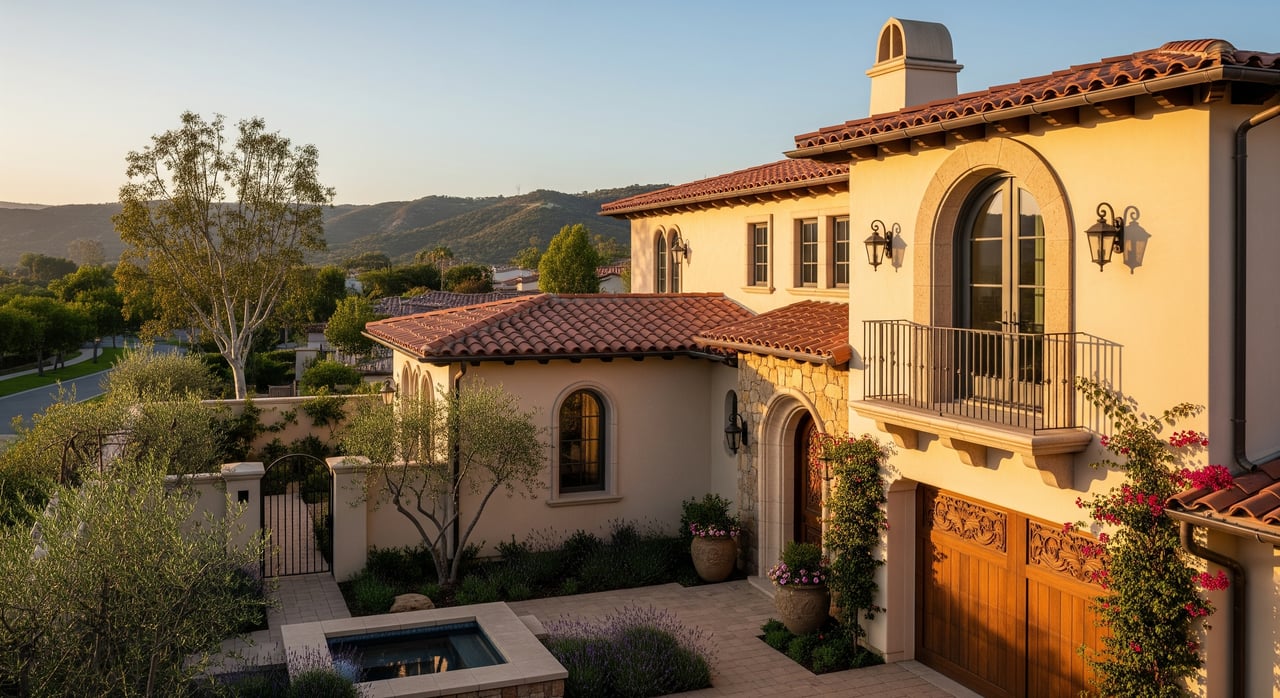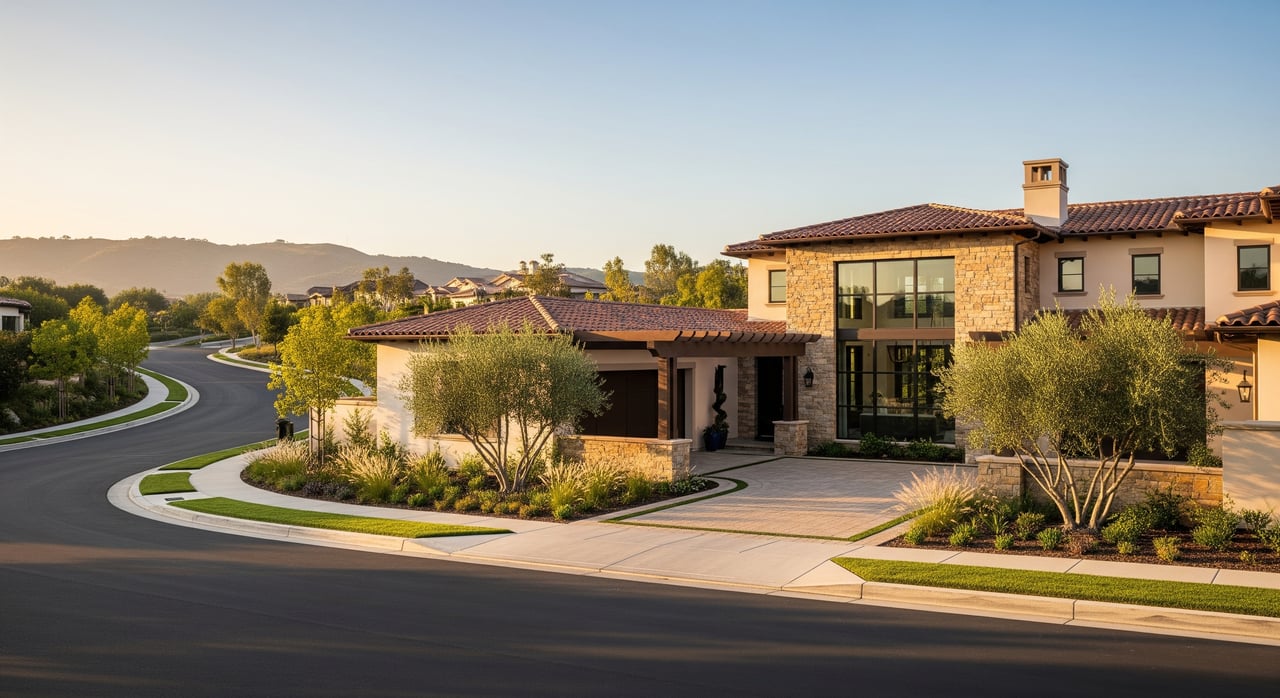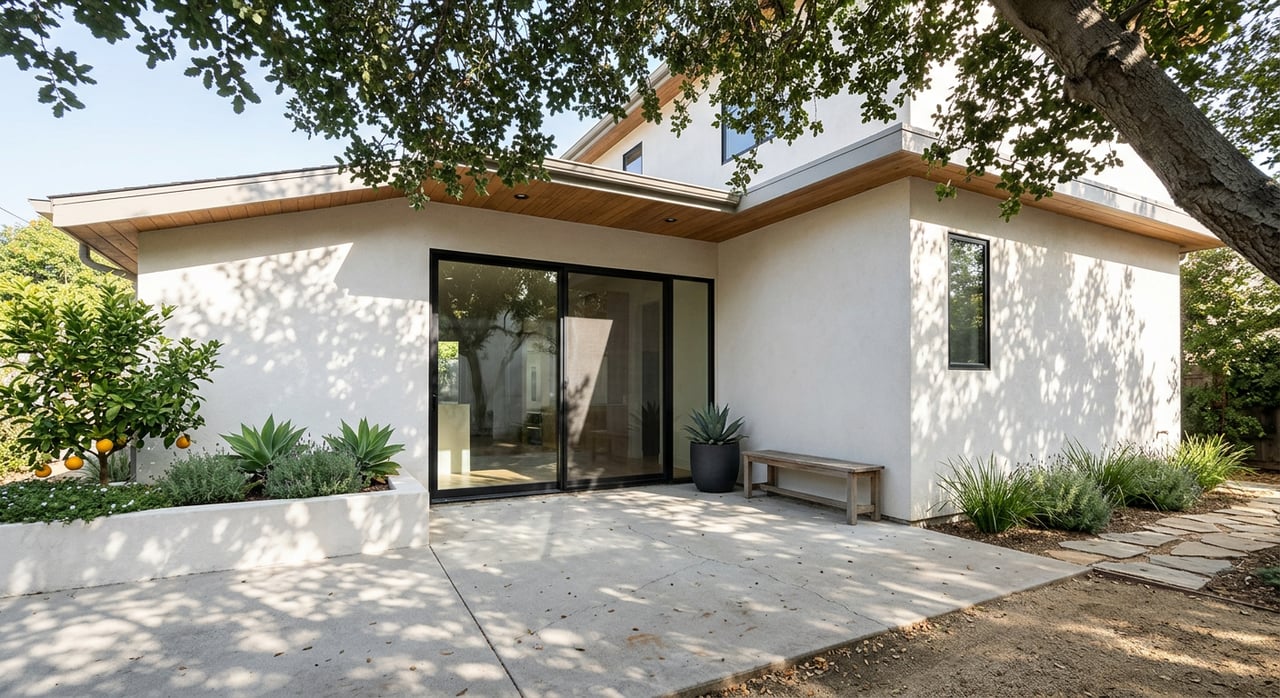
Torn between a shiny new model in Baker Ranch and a well‑kept resale on a tree‑lined street in Portola Hills? You’re not alone. The choice in Lake Forest often comes down to total monthly cost, construction confidence, and lifestyle fit. In this guide, you’ll learn how to compare Mello‑Roos, HOA dues, warranties, inspections, timelines, and negotiation leverage so you can buy with clarity and confidence. Let’s dive in.
New vs. resale in Lake Forest: the big picture
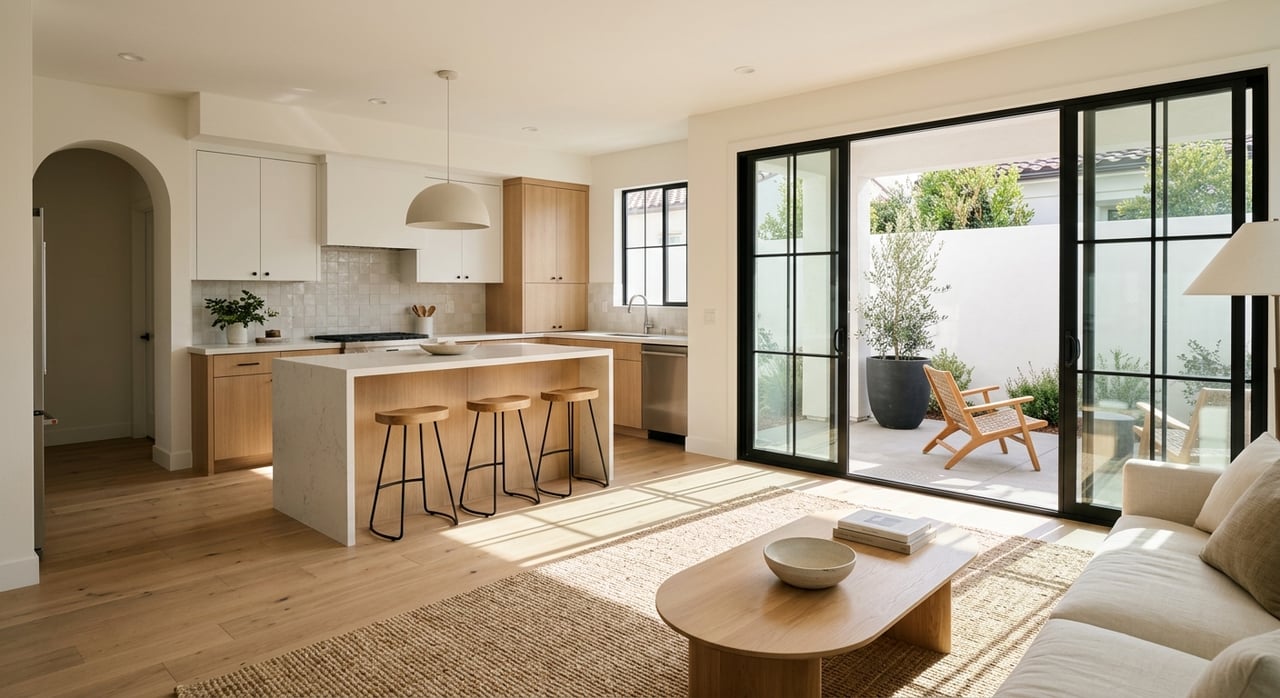
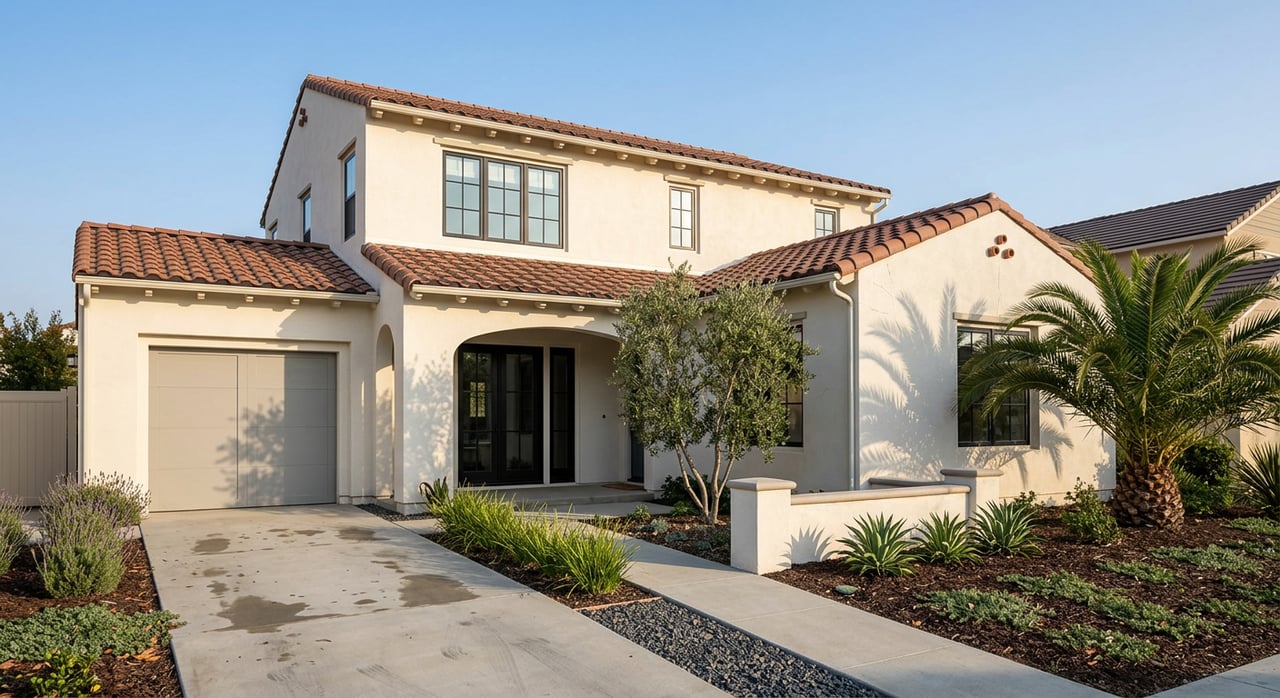
New construction in Lake Forest, especially in master‑planned communities like Baker Ranch, gives you modern layouts, energy‑efficient systems, and builder warranties. Established neighborhoods such as Portola Hills offer mature landscaping, varied lot sizes, and homes with character. Your best choice depends on how you weigh ongoing costs, risk, and lifestyle.
Here is what to compare across both paths:
- Total monthly cost: mortgage, base property tax, Mello‑Roos (if any), HOA dues, insurance, and realistic utilities.
- Construction risk vs. warranty: age and condition on resale versus statutory protections and builder warranties on new.
- Timeline and flexibility: to‑be‑built schedules vs. a typical 30–45 day resale escrow.
- Negotiation leverage: builder incentives vs. resale credits and repairs.
Costs you must compare
Mello‑Roos and special taxes
Mello‑Roos is a special tax used to fund infrastructure. It appears as a separate line on the county property tax bill and varies by parcel and district rules. You should always verify the exact amount for the specific address using the county’s tool or the seller’s latest tax bill. The Orange County Treasurer‑Tax Collector provides an online lookup to confirm parcel‑level levies at the time you check them. Refer to the county’s resource on the Mello‑Roos parcel lookup.
Local context matters:
- Baker Ranch: The City notes Baker Ranch homeowners do not pay Mello‑Roos because required obligations were satisfied by the developer. You can read the City’s commentary on Mello‑Roos for the Portola/Baker Ranch area on Lake Forest’s site.
- Portola Hills: This established area includes multiple sub‑associations, and some parcels are inside County CFDs with varying special tax amounts. The City’s Portola Center Area Plan references these financing mechanisms and underscores the need to verify parcel specifics. Review the Portola Center Area Plan and then confirm the exact levy per address with the county lookup.
Pro tip: Because CFD formulas can escalate per district rules, budget with the current tax bill and leave a margin for adjustments.
HOA dues and what they cover
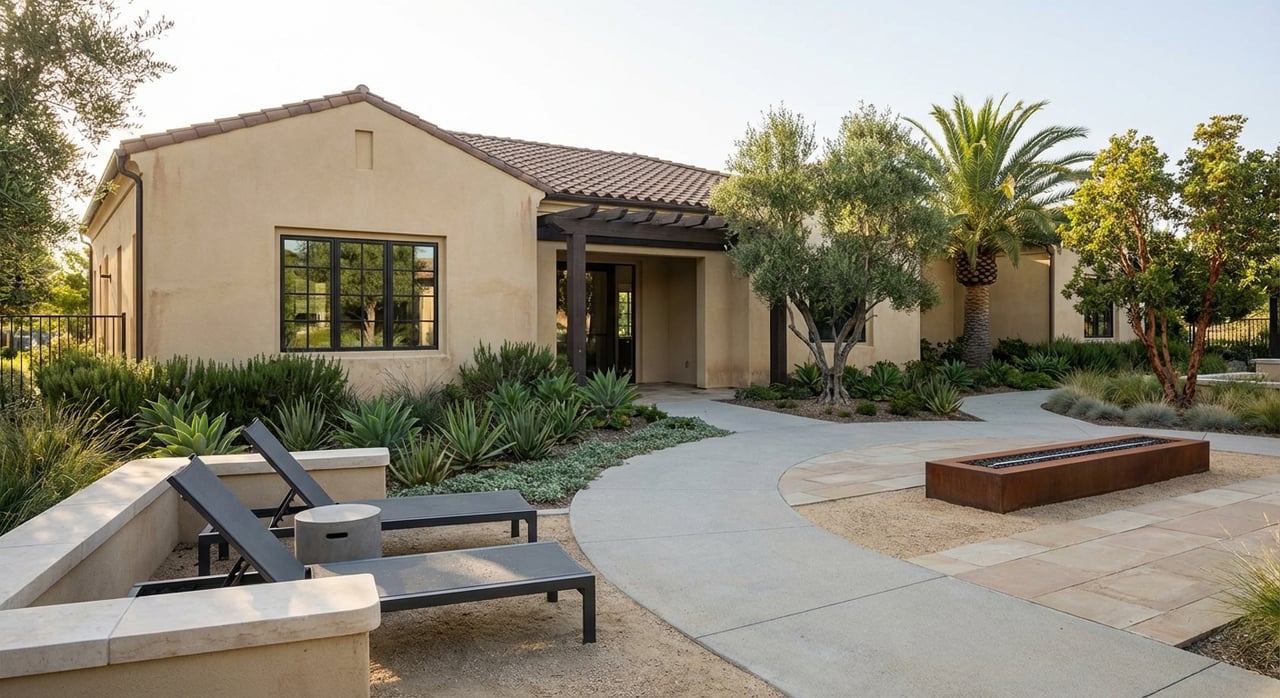
HOA dues can differ widely by neighborhood and sub‑association. In larger master‑planned communities, dues often fund amenities such as pools, clubhouses, parks, and common‑area landscaping. In established areas with multiple sub‑HOAs, expect different fee schedules and coverage by tract.
What to request when you’re serious about a property:
- Current HOA budget and reserve study
- CC&Rs and recent meeting minutes
- Any planned special assessments or amenity projects
These documents spell out what you pay, what you get, and what may change.
Property tax basics in California
California’s Proposition 13 sets the base property tax at about 1 percent of assessed value, plus voter‑approved bonds and assessments. Your total tax line on the bill includes base tax and all add‑ons. For a quick primer, see the Legislative Analyst’s Office overview of how property taxes work in California.
When you compare homes, calculate the full monthly picture:
- Principal and interest (your mortgage)
- Base property tax (about 1 percent of your assessed value) plus bonds/assessments
- Mello‑Roos or other special taxes (if applicable)
- HOA dues (if applicable)
- Insurance and realistic utilities
This apples‑to‑apples view often clarifies the difference between a no‑Mello‑Roos new home and a resale with lower HOA dues, or vice versa.
Construction quality, warranties, and inspections
Your legal protections on new homes
California’s SB‑800, known as the Right to Repair Act, sets construction standards and pre‑litigation procedures for many defect claims. In many cases, you have up to 10 years for certain structural claims and defined steps for notice, inspection, and builder repair. If you buy new, understand the basics in the statute text for SB‑800 and keep a copy in your closing file.
Builder warranties: what to expect
Many builders follow a 1‑2‑10 warranty model: roughly 1 year for workmanship, 2 years for systems like electrical, plumbing, and HVAC, and 10 years for major structural coverage. Always confirm the actual written warranty and whether any structural coverage is insurance‑backed through a third‑party program. For an overview of common structures, see industry explanations of the 1‑2‑10 builder warranty.
Inspections for new construction
City and builder inspections do not replace an independent inspection that works for you. Best practice is a multi‑phase approach:
- Pre‑drywall inspection during framing and rough‑ins
- Final inspection before closing
- An 11‑month warranty inspection to document items before the one‑year marks
Independent inspection firms outline why these phases matter for punch‑list items and long‑term performance. Learn more about multi‑phase new‑build inspections from this overview on new‑construction inspections.
Inspections for resale homes
For resale, you typically order one comprehensive home inspection and add specialty checks as needed, such as termite, sewer, roof, or HVAC. The findings often drive negotiations for repairs or credits. A consumer guide to inspections explains how inspection results shape your strategy on a resale purchase in this article on why inspections matter.
Timelines and contracts
New construction timing
Your timeline depends on build stage. Quick‑move‑in homes can close in 30–90 days if complete. To‑be‑built homes often take several months from contract to delivery, depending on permits, weather, and options. Builders may set design and option deadlines, staged deposits, and specific access windows for inspections. A practical consumer overview compares typical new‑build and resale scheduling in this guide to new construction vs. existing homes.
Resale escrow timing
Most resale escrows in Orange County run about 30–45 days, subject to lender, appraisal, title, and HOA document timelines. If you are paying cash, you can sometimes move faster if all inspections and contingencies are satisfied early.
Negotiation differences you should plan for
Builder incentives and how to use them
Builders often protect the published base price and instead offer incentives that improve your monthly payment or total cash to close. Examples include rate buydowns, closing‑cost credits, or design‑center upgrades. Incentives have been more visible recently as builders manage sales pace. Trade coverage highlights the rise in concessions and why terms change with market conditions; see a summary of current practices in this report on builder concessions and incentives.
Action tip: Get the incentive sheet in writing, confirm whether you must use a preferred lender, and compare true APR and long‑term costs before you commit.
Resale negotiations
On resales, you usually lean on inspection results and comps to request repairs or credits, or to fine‑tune price. Your leverage depends on days on market, the seller’s timing needs, and competition. Build your plan with recent comparable sales and a clean, well‑packaged offer.
Lifestyle and lot trade‑offs in Lake Forest
- Newer master plans: You often get resort‑style amenities, modern energy features, and a consistent community aesthetic. Streets and landscaping feel fresh, and systems are within warranty windows.
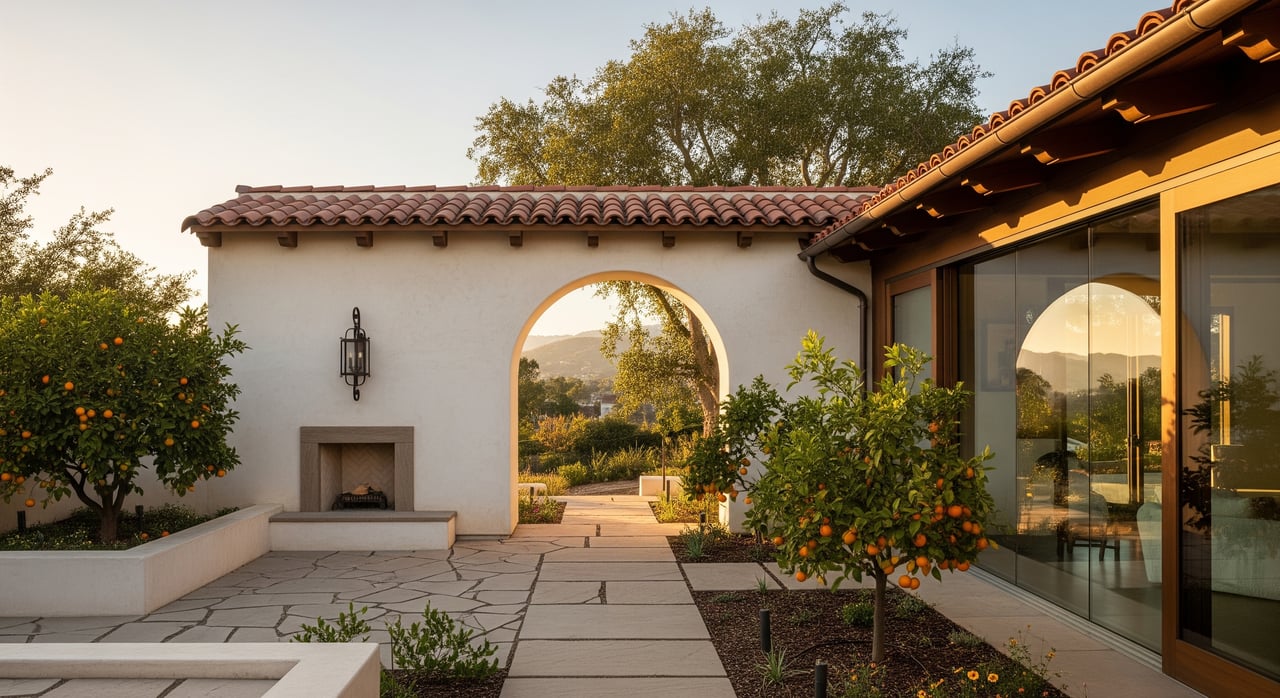
- Established neighborhoods: You may find larger or more varied lots, mature tree canopies, and homes with updates added over time. Your maintenance profile depends on the age and condition of major systems.
On schools, verify the current district and assigned campuses for any property you consider. Boundaries can change, and every buyer prioritizes different factors. Ask for official district resources and verify with the district directly.
Step‑by‑step checklist
- Verify Mello‑Roos for the exact APN/address using the Orange County parcel lookup and the seller’s latest secured tax bill.
- Request the HOA budget, reserve study, CC&Rs, and any pending special assessments.
- Ask the builder for the full written warranty and a summary of the SB‑800 process; review the statute text for SB‑800.
- Schedule independent inspections: pre‑drywall and final for new builds, plus an 11‑month warranty check; order a full home inspection and specialty reports for resales. See an overview of new‑build inspection phases.
- Compare total monthly cost line by line: mortgage P&I, base property tax, bonds/assessments, Mello‑Roos, HOA, insurance, utilities. Use the LAO primer to understand California property tax basics.
- If buying new, get incentives in writing, confirm lender requirements, and compare APR and long‑term costs before accepting a buydown or credit.
- Clarify timelines: for new construction, confirm build stage, option deadlines, and deposit schedule; for resale, plan for a 30–45 day escrow with defined contingency periods.
Which path fits you?
Choose new construction if you value modern layouts, builder warranties, and community amenities, and you can work within the builder’s timeline and contract structure. Choose resale if you prefer mature landscaping, potential lot variety, faster closing, and the ability to negotiate repairs or credits based on inspections.
If you want a side‑by‑side cost model tailored to your short list, let’s build one together. As a local advisor focused on South Orange County, I’ll pressure‑test the numbers, flag contract issues, and help you win favorable terms. Connect with Matt Whitcomb to get started.
FAQs
How does Mello‑Roos work in Lake Forest and how do I check it?
- Mello‑Roos is a parcel‑specific special tax for infrastructure that appears on your property tax bill; verify the exact amount for any address using the county’s parcel lookup and the latest secured tax bill.
Does Baker Ranch have Mello‑Roos taxes?
- City records indicate Baker Ranch homeowners do not pay Mello‑Roos because the developer satisfied obligations up front; still confirm all taxes on the current bill for the specific home you’re buying.
What inspections should I order on a new build in Lake Forest?
- Schedule independent pre‑drywall and final inspections, then add an 11‑month warranty inspection to document items before the first‑year coverage expires.
How long does new construction take compared with a resale purchase?
- Quick‑move‑in new homes can close in 30–90 days, to‑be‑built homes often take several months, and typical resale escrows run about 30–45 days depending on lender, title, and contingencies.
Can I negotiate with a builder without lowering the base price?
- Yes; focus on incentives like rate buydowns, closing‑cost credits, or design upgrades, and confirm any preferred‑lender requirements and true APR before accepting.