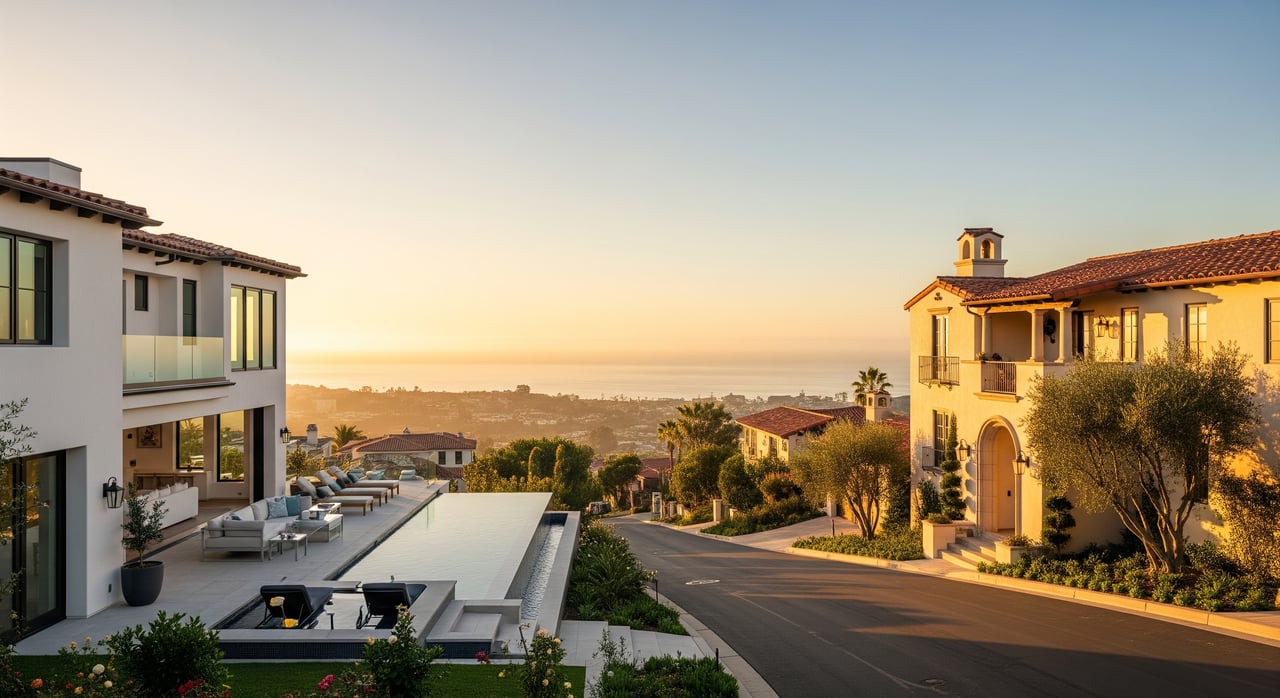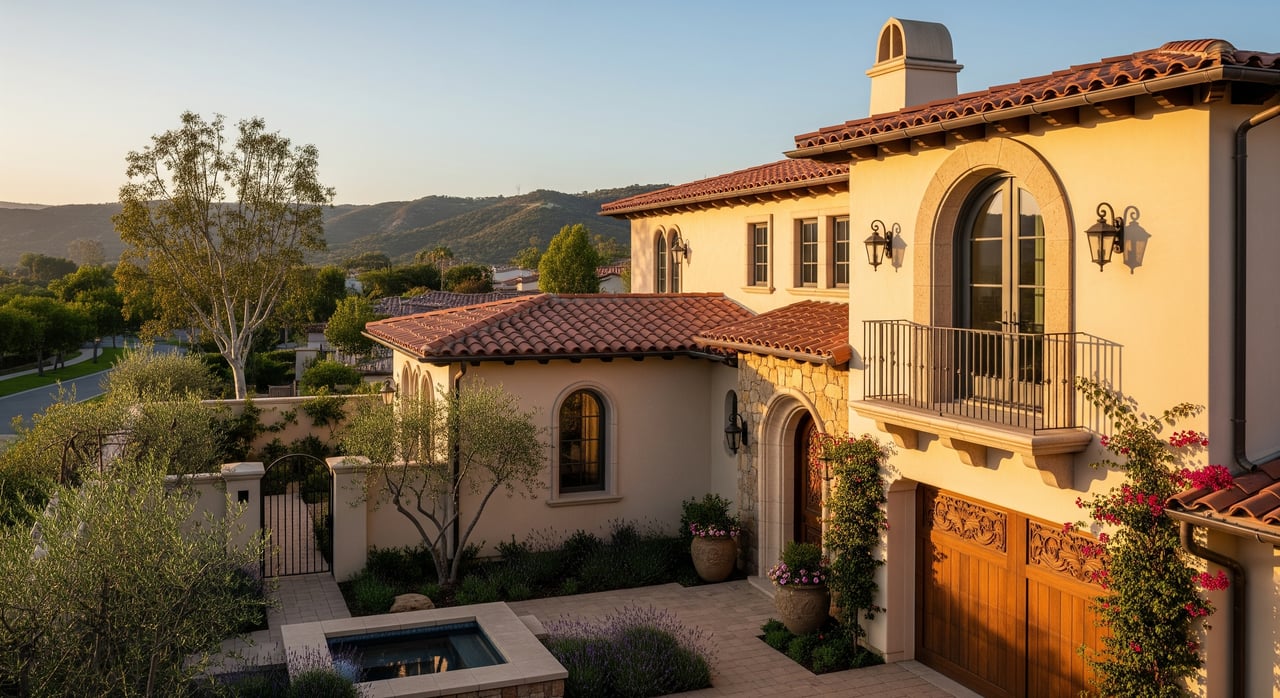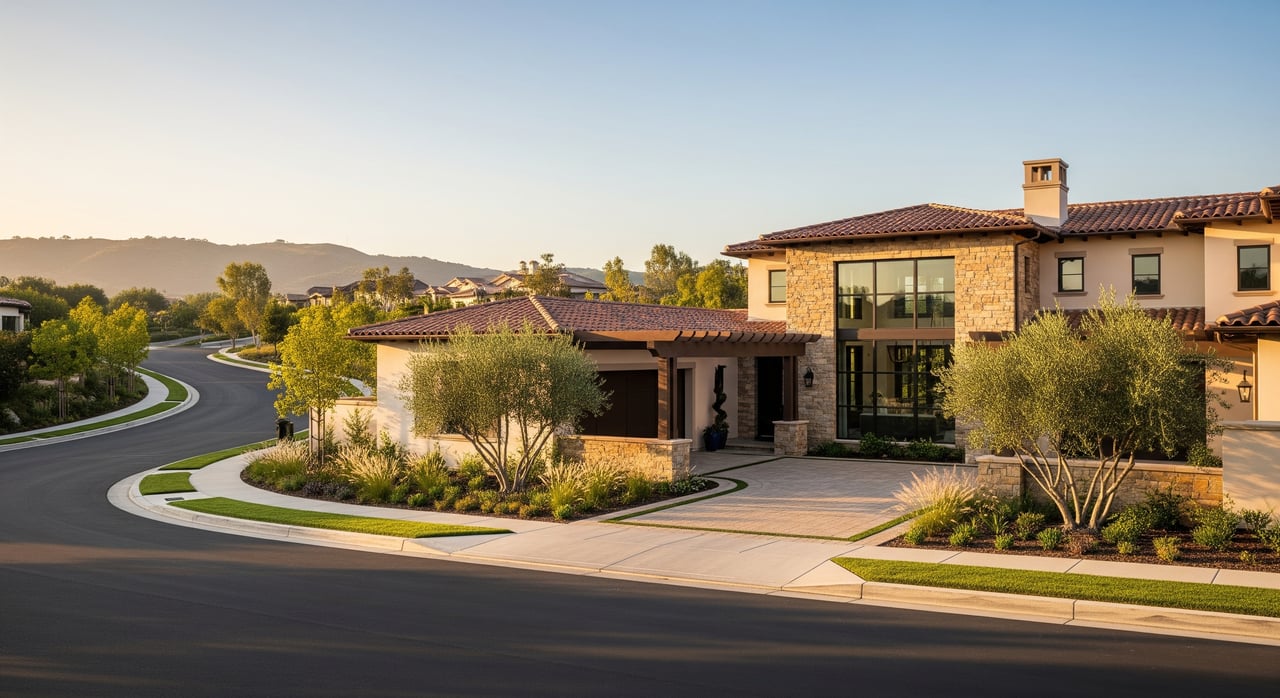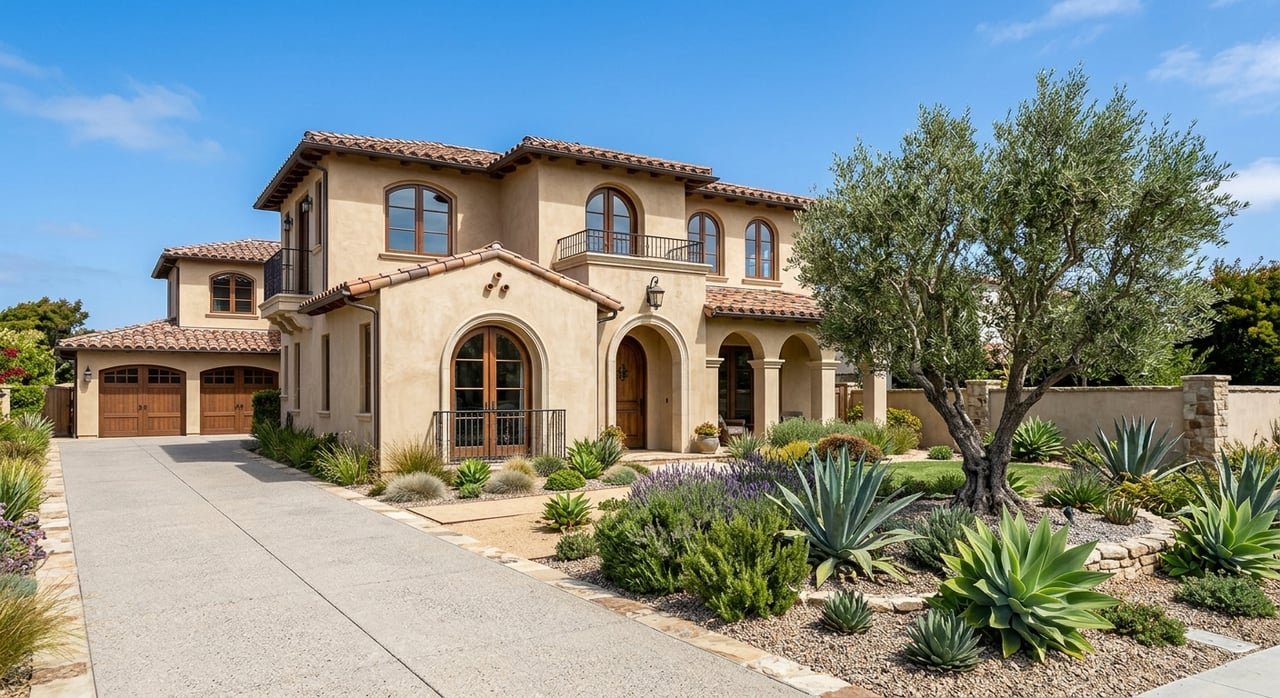
Selling in Ladera Ranch can feel simple at first glance, until you realize the timeline is shaped by more than cleaning and photos. HOA documents, open-house approvals, gate access, and community event timing can all affect how smoothly your listing launches and closes. If you want fewer surprises and a more controlled sale, it helps to understand the full timeline early. Let’s walk through what the process typically looks like from prep to closing.
Start Planning Early
In Ladera Ranch, a smart planning window is often 3 to 12 months before your target closing date. That is not a legal requirement, but it is a practical one based on the time it can take to handle repairs, disclosures, HOA paperwork, staging, and showing logistics.
This matters because Ladera Ranch is not a one-size-fits-all market. The community includes three districts, six villages, and a broad amenity structure managed through LARMAC and LARCS. Some homes also fall within special benefit areas, and condos or townhomes may belong to one of 17 sub-associations with separate rules and vendors.
Identify Your Association Early
One of the first steps is confirming the property’s exact tract and association. That helps you request the right documents, understand any property-specific rules, and avoid delays right before launch.
If your home is attached or subject to multiple layers of association oversight, this step becomes even more important. Waiting too long can create a paperwork bottleneck just when you are trying to go live.
Consider a Pre-Sale Inspection
A pre-sale inspection is optional, but it can be helpful if you want a clearer picture of the home’s condition before buyers start touring. It may reveal issues with the structure, roof, plumbing, electrical systems, or HVAC that you may want to address in advance.
Early visibility can also support better pricing and disclosure preparation. If you already know what buyers are likely to flag, you can make decisions on repairs, credits, or strategy before the home hits the market.
Build Your Disclosure Packet Early
California requires sellers to disclose property condition, and the seller’s agent must visually inspect the property and disclose readily observable defects. For homes in a common interest development, sellers also need association-related documents such as governing documents, fee statements, and unresolved violation notices.
California law gives the association 10 days after a written request to provide the required CID documents. If you already have current copies in your possession, you may be able to provide them at no cost, which can save time.
Add New Single-Family Disclosure Items
If you are selling a single-family home, your prep checklist should also include California’s newer 2026 disclosures related to electrical systems and future restrictions on replacing certain gas-powered appliances. This is another reason to start the disclosure process well before listing week.
The goal is simple: have your disclosures ready before a buyer’s contingency clock starts, not while it is already running.
Prepare the Home 6 to 8 Weeks Out
About 6 to 8 weeks before listing, your focus should shift to presentation. This is the phase where you improve how the home looks in person and in marketing media.
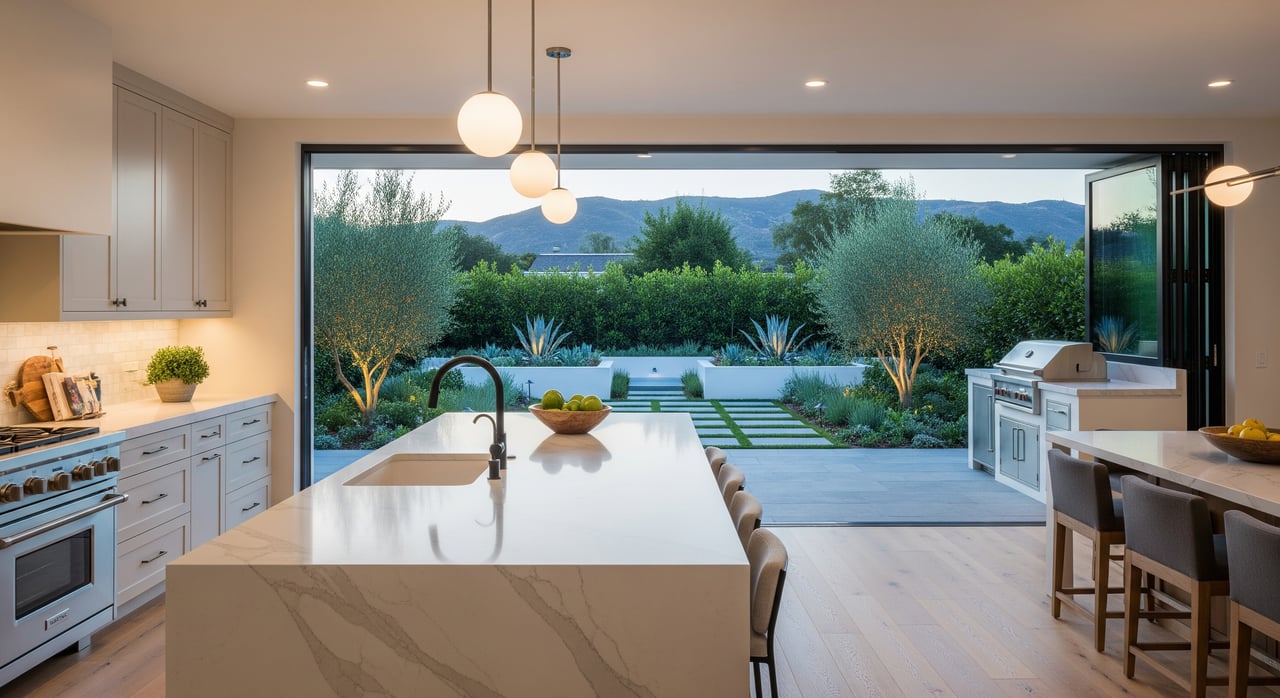
Sellers’ agents commonly recommend decluttering, whole-home cleaning, and curb appeal improvements. Staging also plays an important role because it helps buyers picture how the home lives.
Prioritize the Basics First
Before you think about photos or showings, make sure the home feels clean, open, and easy to understand. In most cases, that means:
- Decluttering rooms, counters, closets, and storage areas
- Completing a deep whole-home cleaning
- Touching up paint or small cosmetic items where needed
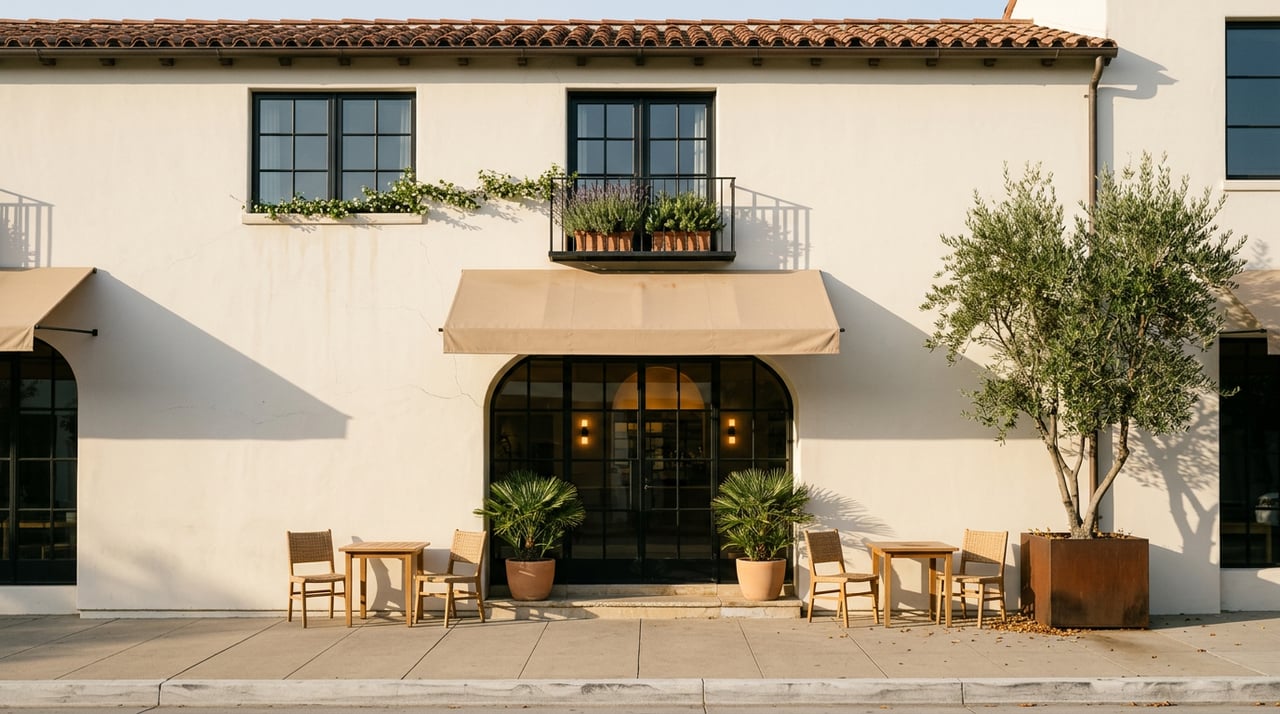
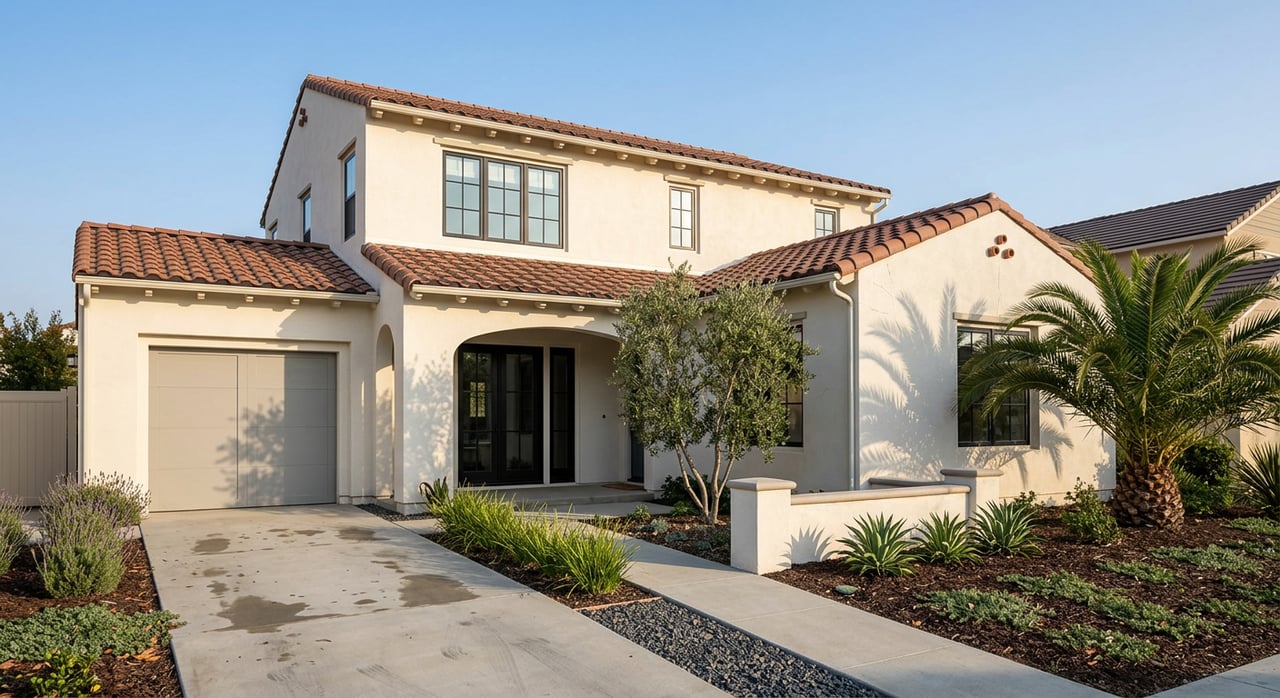
- Improving exterior presentation and entry appeal
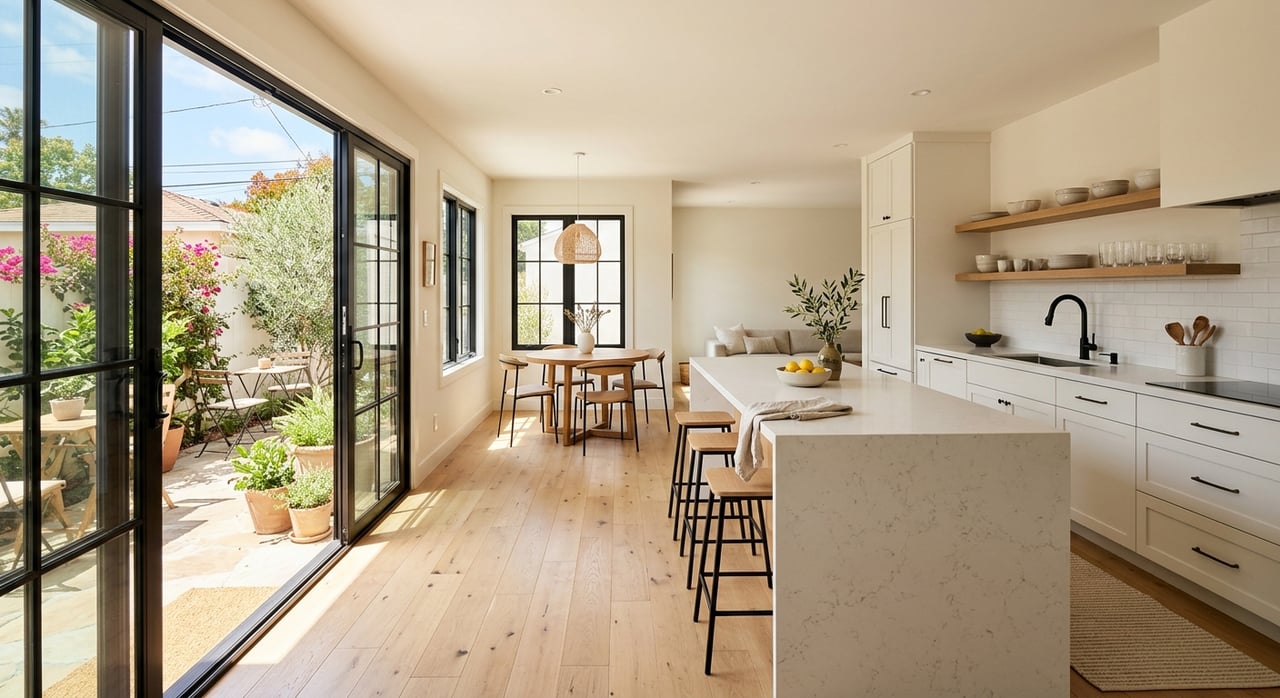
- Planning for staging, either partial or full
These steps may sound basic, but they directly affect how buyers respond online and in person.
Market the Ladera Ranch Lifestyle
In Ladera Ranch, buyers are not only evaluating the home itself. They are also weighing the broader lifestyle that comes with the community.
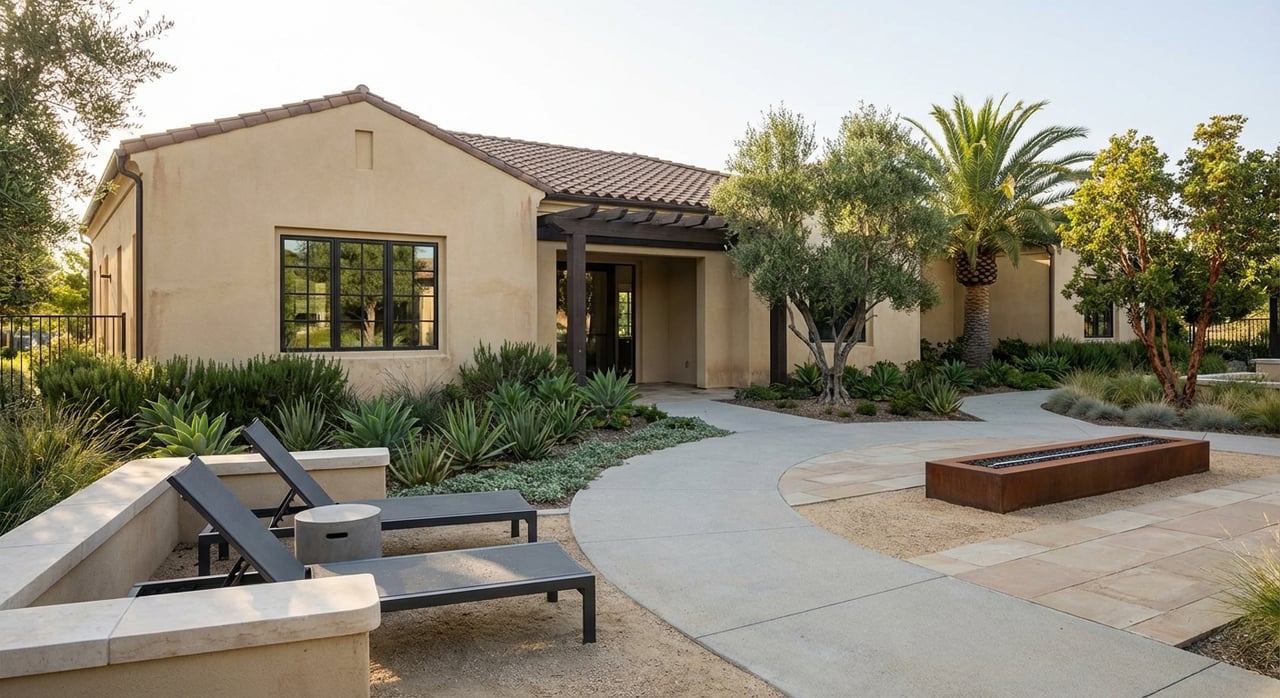
Official community materials highlight clubhouses, pools, a water park, more than 17 miles of trails, a dog park, parks, picnic areas, tennis, pickleball, and other shared spaces. That means your listing media should present the home within that context rather than treating it like an isolated property.
Time Exterior Photos Carefully
Exterior photography can be more timing-sensitive here than in some other neighborhoods. LARMAC manages common-area landscape maintenance, including mowing schedules, tree trimming, and fuel-modification clearing in some areas.
If possible, plan exterior photos after nearby landscape work has been completed. Small timing choices can make a noticeable difference in curb appeal.
Plan Listing Week Around Local Rules
When listing week arrives, Ladera Ranch has a few practical rules that sellers should account for early. These are the kinds of details that can affect open houses, guest access, and launch timing.
The biggest takeaway is that your first showing weekend should not be planned at the last minute.
Open Houses Need Advance Approval
Current community guidelines state that open houses may be held only on Saturdays and Sundays from 10:00 a.m. to 6:00 p.m. They must be requested at least five working days in advance, and they cannot proceed unless LARMAC authorizes them.
That means you should not assume a quick weekend open house can be added after the listing goes live. If open houses are part of your launch strategy, they need to be scheduled in advance.
Understand Sign Rules
LARMAC also limits real-estate signs on its property. Open-house signs are allowed only at the open-house property, only on the day of the event, and only at the front of the lot.
This matters because your launch plan may need to rely more heavily on digital marketing, professional media, and direct showing coordination rather than directional signage.
Prepare for Gate Access
If an attendee requests a specific address, access is handled through a one-day guest-pass procedure at the gate. If the home is in Covenant Hills, there are additional access rules for non-residents, including guest authorization and access-card procedures.
This is one reason local coordination matters so much. A strong showing plan should account for gate procedures before buyers start arriving.
Watch the Community Event Calendar
Ladera Ranch has a very active community calendar, and that can affect your listing more than you might expect. Recurring events include a Sunday Farmers Market from 9:00 a.m. to 1:00 p.m., along with seasonal concerts, July 4 events, Halloween activities, harvest events, holiday decorating contests, Winter Fest, Santa visits, and Menorah lighting.
These events can be a great part of the area’s appeal, but they can also create parking pressure, curbside clutter, and heavier traffic around showings or photography.
Use Event Timing Strategically
Before confirming photos, broker previews, or your first open-house weekend, it helps to review what is happening nearby. A launch that looks ideal on paper may be less smooth if it overlaps with a major community event.
Seasonal decorations can also change the visual feel of the neighborhood. Community sign restrictions and holiday activity can influence how the property presents during certain weeks of the year.
Move From Accepted Offer to Escrow
Once you accept an offer, escrow opens. On a standard purchase, escrow typically runs from a few weeks to about 30 to 60 days, depending on financing, inspections, repairs, and contingencies.
For sellers, this period usually moves most smoothly when the front-end prep has already been handled well.
Why Early Disclosures Matter
If your disclosure packet is complete before the buyer’s contingency timeline begins, you reduce the risk of avoidable delays. Buyers and their representatives can review the file sooner, ask questions earlier, and make decisions with better information.
That does not guarantee a problem-free escrow, but it often creates a cleaner process than trying to gather key documents after the contract is already in motion.
What Happens Before Closing
Escrow acts as the neutral third party that helps make sure the contract instructions are satisfied and the deed is recorded at closing. For financed purchases, the lender must provide the Closing Disclosure at least three business days before closing.
Closing is the point when the required documents are signed and the transaction is completed according to the escrow instructions.
Expect Location-Based Disclosures
California natural-hazard disclosures can also come into play during escrow. Depending on the property’s location, disclosures may involve earthquake fault zones, seismic hazard zones, or other location- and age-related requirements.
This is another reason why a well-organized listing file matters. The more complete your prep is before going under contract, the less pressure there tends to be during escrow.
A Practical Ladera Ranch Timeline
If your home is in good condition and the paperwork is straightforward, about three months of lead time is often enough. If repairs, HOA packets, staging, gate logistics, or more complex association issues are involved, six to twelve months can be the safer runway.
A typical seller timeline may look like this:
| Timeline | Main Focus |
|---|---|
| 3 to 12 months before closing | Agent strategy, inspection decisions, repairs, disclosure prep, HOA research |
| 6 to 8 weeks before listing | Decluttering, cleaning, curb appeal, staging, photo planning |
| Listing week | Final media, open-house approval, gate coordination, launch timing |
| Under contract | Escrow, buyer contingencies, repairs if needed, closing prep |
| 30 to 60 days to close | Typical escrow window on a standard purchase |
The exact timeline depends on the property, the association, and your goals. Still, the pattern is clear: sellers who start early usually have more control over timing, presentation, and negotiation.
Why Strategy Matters in Ladera Ranch
Ladera Ranch sellers often benefit from more than a standard checklist. This market rewards preparation, polished presentation, and local coordination.
A thoughtful plan should connect property prep, disclosures, HOA timing, media production, showing logistics, and pricing into one organized launch. That is especially important in a community where lifestyle amenities, event schedules, and access rules can all shape the buyer experience.
If you are thinking about selling in 92694, a strategy-first approach can help you launch with fewer surprises and move through escrow with more confidence. When you are ready for a tailored timeline, staging guidance, and a marketing plan built for your property, connect with Matt Whitcomb.
FAQs
How far in advance should you prepare a Ladera Ranch home for sale?
- A practical planning window is often 3 to 12 months before your target closing date, depending on repairs, disclosures, HOA paperwork, staging, and showing logistics.
What HOA documents are needed for a Ladera Ranch listing?
- For HOA properties, California requires items such as governing documents, assessment and fee statements, unresolved violation notices, and certain other common interest development documents.
How long does a Ladera Ranch escrow usually take?
- A standard escrow often lasts from a few weeks to about 30 to 60 days, depending on financing, inspections, repairs, and contingencies.
Do Ladera Ranch open houses need approval?
- Yes. Current community guidelines say open houses must be requested at least five working days in advance, are limited to Saturdays and Sundays from 10:00 a.m. to 6:00 p.m., and require LARMAC authorization.
Why does the Ladera Ranch event calendar matter when listing a home?
- Community events can affect parking, traffic, curbside presentation, and the overall experience during photography, showings, and open-house weekends.
What should sellers highlight in Ladera Ranch marketing?
- In addition to the home itself, it is smart to highlight the community context, including trails, clubhouses, parks, pools, the dog park, and other shared amenities that buyers may value.