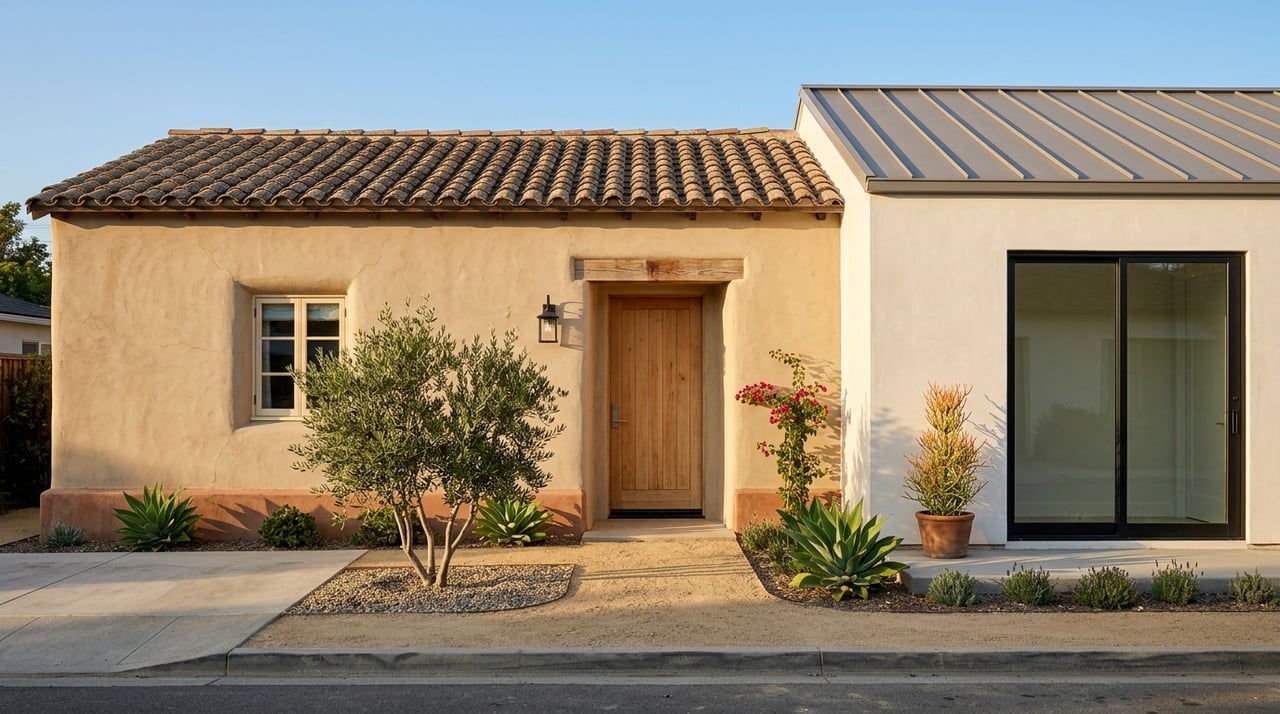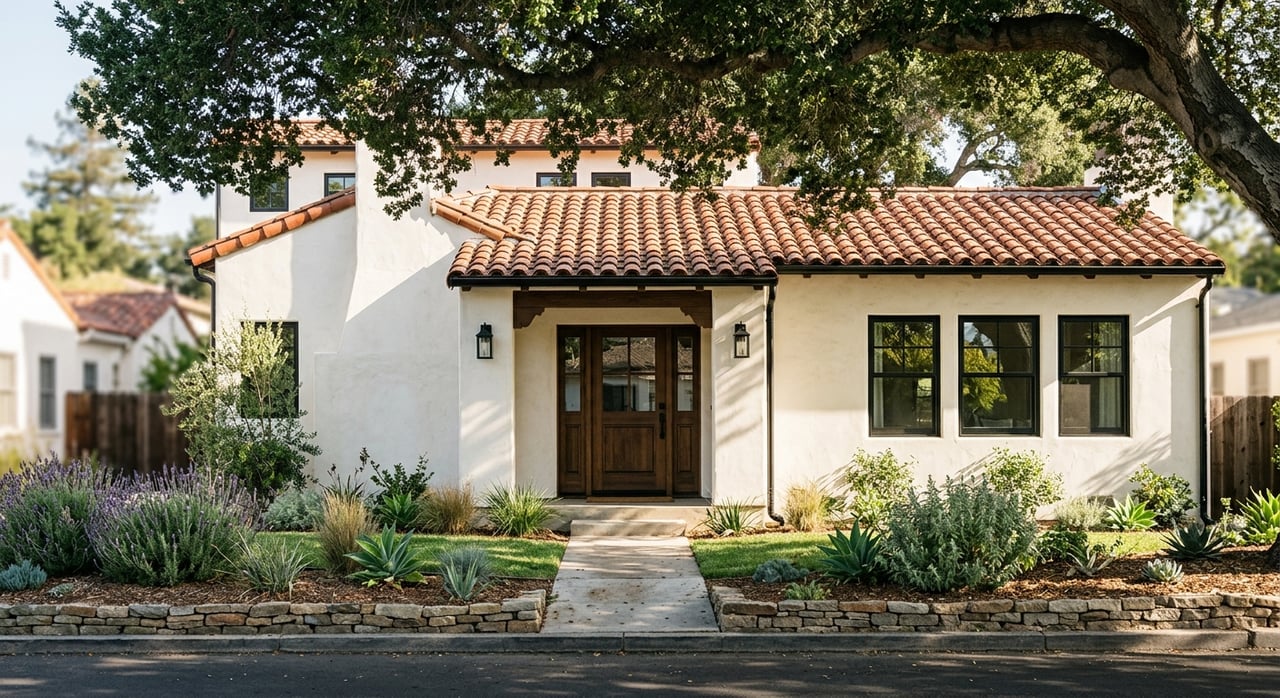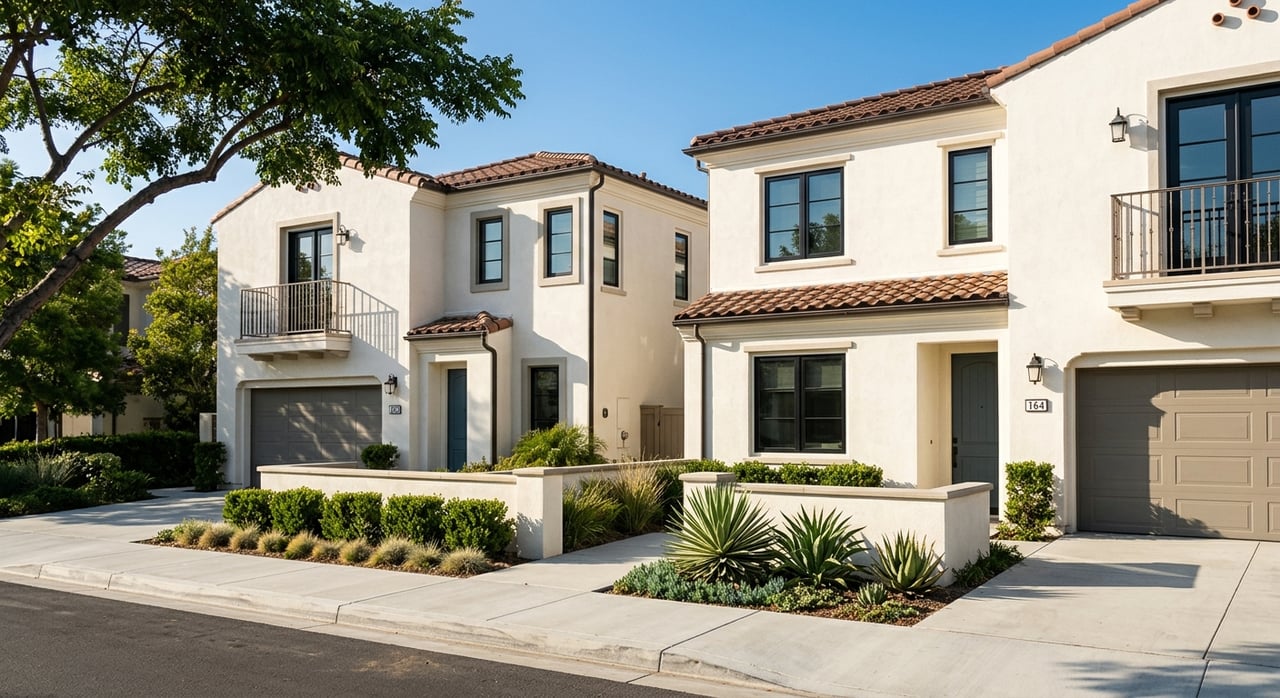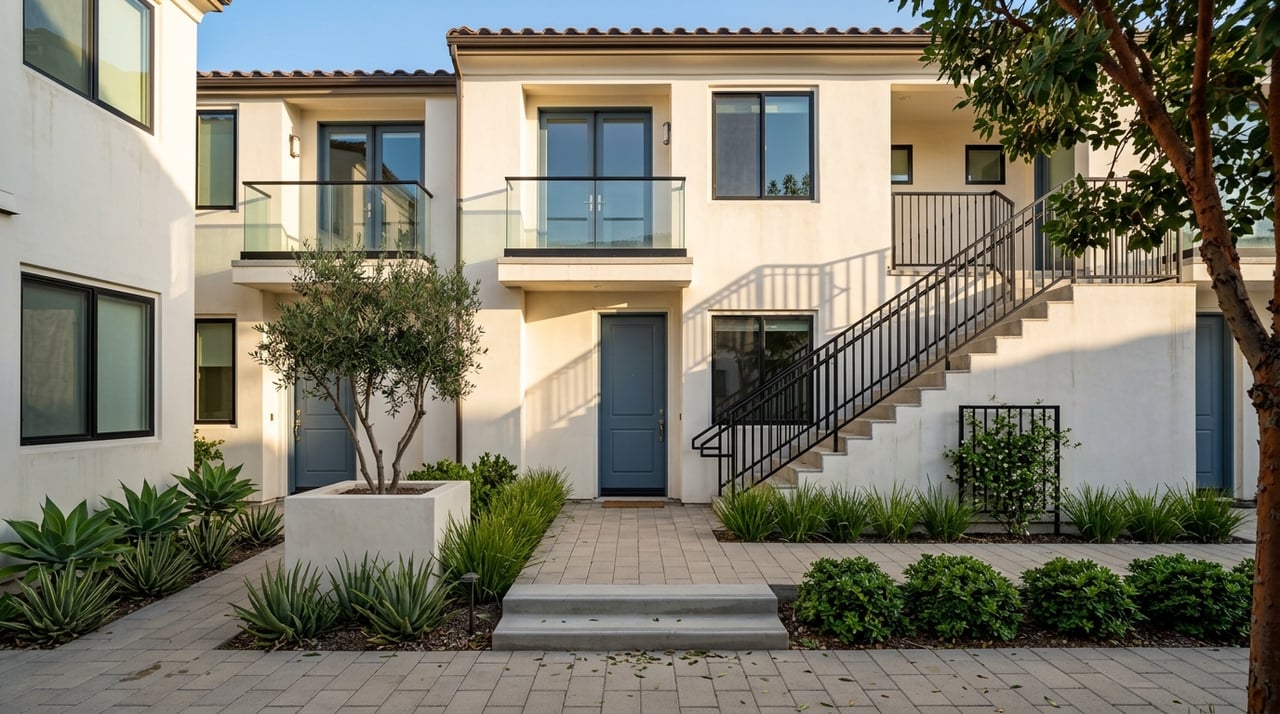
If your Newport Beach home feels bigger than your needs but smaller than your free time, you are not alone. Downsizing here is rarely about leaving the market behind. More often, it is about trading upkeep, stairs, parking headaches, or unused rooms for a home that fits the way you want to live now. This guide will walk you through realistic downsizing paths in Newport Beach, the costs to review before you buy, and how to time a sale and purchase with less stress. Let’s dive in.
Why downsizing looks different here
Downsizing in Newport Beach does not always mean a dramatic price drop. Census QuickFacts shows that 24.2% of residents are 65 or older, the owner-occupied housing rate is 52.1%, and median owner-occupied value is above $2,000,000. Median monthly owner costs for mortgaged owners are above $4,000.
That helps explain why many local downsizers are not chasing the cheapest option. They are looking for a simpler lifestyle, less maintenance, and better day-to-day convenience. In a market with a March 2026 median sale price of $3.4 million and a median listing price of $4.58 million, the goal is often to right-size your home rather than leave a high-value market altogether.
Newport Beach downsizing options
Balboa Peninsula for low-maintenance living
If you want to stay close to the coast without taking care of a larger property, Balboa Peninsula stands out. The city describes it as a five-mile beach stretch with a long bike trail around most of the peninsula, public parking lots and meters, and a free summer trolley.
That mix can make attached homes and condos especially practical. You may be able to give up some yard work and still keep easy access to the beach, dining, and local activity. For many downsizers, that is a meaningful lifestyle upgrade.
Balboa Island for village-style appeal
Balboa Island can appeal to buyers who want a smaller detached home or cottage feel. Marine Avenue is lined with restaurants and boutiques, and the island loop is a 2.5-mile paved path with harbor and cottage views.
You also have the long-running ferry connection to the Peninsula. If you want a compact home in a walkable setting with a distinct sense of place, this can be a strong option to explore.
Corona del Mar for walkability and privacy
Corona del Mar offers a different version of downsizing. Visit Newport Beach describes it as a coastal village with vintage cottages, newer homes, shop-lined sidewalks, local boutiques, and a Saturday farmers market.
That can make it a good fit if you want a village feel but more privacy than a typical condo may offer. For some buyers, a smaller detached home in Corona del Mar hits the sweet spot between convenience and independence.
Newport Heights and Westcliff for smaller homes on higher ground
Some downsizers still want a single-family layout, just with less house to manage. Newport Heights and Westcliff are worth a look for that reason.
The City of Newport Beach groups Newport Heights and Westcliff within elevated marine terrace areas. By contrast, West Newport, Balboa Peninsula, and Newport Bay are classified as low-elevation areas. That does not decide the right move on its own, but it can matter when you compare location, access, and long-term comfort with coastal exposure in mind.
What downsizing can cost now
Current examples show how wide the range can be in Newport Beach. Realtor.com examples include a 2-bedroom townhouse in 92663 listed at $899,950, a 2-bedroom condo in Corona del Mar at $1.895 million, and a 3-bedroom detached home on Lido Sands at $3 million with 1,120 square feet.
These are only examples, not pricing rules. Still, they show an important point: downsizing here can mean a townhome, condo, or smaller detached coastal home, and those choices can sit in very different price bands.
Look beyond the purchase price
A smaller home can still come with big ownership costs. In Newport Beach, HOA structure, reserves, insurance, parking, and flood exposure can matter just as much as the sale price.
That is where a strategic review becomes essential. A home may look like a simplification on paper, but the details can change the picture quickly.
HOA documents matter more than many buyers expect
California law requires a seller of a condo or other separate interest to provide key HOA documents upon request. Those can include governing documents, assessment and fee information, unpaid assessments and fines, rental restriction disclosures, and certain board minutes and defect reports.
That means your HOA review should go well beyond the monthly dues. You want a clear view of the rules, financial health, and any issues that could affect your costs or use of the property.
Reserve funding and insurance deserve a close read
Annual budget reports for common-interest developments must include reserve summaries, reserve funding plans, deferred major repairs, possible special assessments, outstanding loans, and summaries of property, liability, earthquake, flood, and fidelity insurance policies. Condominium projects must also disclose FHA and VA approval status.
Reserve disclosures must show replacement cost, remaining life, reserve cash on hand, funded percentage, and per-unit reserve deficiency. In plain English, you are looking for clues about whether the community is planning ahead or pushing costs into the future.
Public reports can reveal key details
The California Department of Real Estate says public reports for new subdivisions and common-interest developments include CC&Rs, HOA maintenance costs and assessments, and other material disclosures. Buyers should read them before becoming obligated.
For a downsizer, this matters because a condo or townhome is not automatically the easier choice. You still need to review the rules, maintenance obligations, insurance structure, and any upcoming expenses.
Flood, parking, and mobility are part of the decision
In coastal Newport Beach, practical details shape daily life. They can also shape your monthly costs and peace of mind.
Flood exposure is a real local factor
The City of Newport Beach participates in the National Flood Insurance Program and notes that low-lying coastal areas are particularly vulnerable. Insurance carriers may request an elevation certificate to determine whether a dwelling sits above or below FEMA Base Flood Elevation.
This does not mean every coastal property will create the same insurance experience. It does mean you should compare locations carefully and understand what the property may require before you commit.
Parking can change how convenient a home feels
City-operated parking is generally paid during daytime hours. The city also notes that disabled placard parking is free at most city-operated locations, and the Balboa Peninsula Trolley provides free seasonal service with 22 stops.
If you are considering a home where walkability replaces a large driveway or garage, these details matter. A smaller home can feel much easier to live in when the location supports your routine.
Senior services can support planning ahead
OASIS Senior Center offers classes, social services, a fitness center for adults 50+, and transportation services for eligible seniors. OASIS Transportation serves Newport Beach, Newport Coast, Balboa Island, Balboa Peninsula, and Corona del Mar.
For many empty nesters, downsizing is also about planning for the next chapter. Access to local support and transportation can be part of choosing the right area, not just the right floor plan.
Timing your sale and purchase
In a market like Newport Beach, sequencing matters. You may be selling a valuable home and buying a smaller one at a high price point, so each move affects the next.
Recent data suggests the market remains timing-sensitive. Redfin reports Newport Beach as somewhat competitive, with a March 2026 median sale price of $3.4 million and an average of 50 days on market. Realtor.com reports 92660 as a seller’s market in March 2026, with 56 median days on market, 151 homes for sale, and a 99% sale-to-list ratio.
Proposition 19 can change the math
For many California homeowners age 55 and over, Proposition 19 is one of the biggest planning factors. The California Board of Equalization says eligible homeowners age 55+ or disabled homeowners can transfer a base-year value to a replacement principal residence anywhere in California, generally within two years of the sale of the original home, and can use the transfer up to three times.
If the replacement home is worth more than the original, the value difference is added to the transferred taxable value. If the replacement is equal or lesser value, no adjustment is made. In Newport Beach, that can be significant because even a smaller home may still carry a high purchase price.
Listing first versus buying first
There is no one-size-fits-all answer. In a high-priced coastal market, the right sequence depends on your equity position, comfort with timing risk, and the type of property you want next.
A strategic plan may include listing first, buying first, or structuring terms that create breathing room between the two transactions. What matters most is understanding your likely sale window, your target purchase range, and the costs you will carry if timing shifts.
A smart downsizing checklist
Before you make a move, focus on the details that affect daily life and long-term cost:
- Decide what you truly want to reduce: square footage, stairs, yard work, upkeep, or driving
- Compare attached homes, cottages, and smaller detached homes side by side
- Review HOA dues along with reserves, insurance, rules, and potential special assessments
- Ask about parking, guest parking, storage, and ease of access
- Check whether the area is low elevation or elevated marine terrace
- Understand possible flood insurance or elevation certificate requirements
- Review Proposition 19 timing and tax impact early
- Build a plan for selling and buying that matches your risk tolerance
The right move is the one that fits your life
A successful downsize in Newport Beach is not just about moving into fewer square feet. It is about choosing a home that supports how you want to live now, with a clear understanding of costs, location tradeoffs, and timing.
When you approach the move strategically, downsizing can create more freedom, less upkeep, and a home that feels easier to enjoy. If you are weighing your options in Newport Beach, Matt Whitcomb can help you evaluate the market, compare property types, and build a sale-and-purchase plan that fits your goals.
FAQs
What are the best Newport Beach areas for downsizing?
- Balboa Peninsula, Balboa Island, Corona del Mar, Newport Heights, and Westcliff each offer different advantages, from low-maintenance coastal living to smaller detached homes and more elevated locations.
What should I review in a Newport Beach condo HOA?
- Review governing documents, monthly assessments, reserve funding, deferred repairs, possible special assessments, insurance summaries, rental restrictions, parking rules, and any relevant board minutes or defect reports.
Does downsizing in Newport Beach always save money?
- Not necessarily. Newport Beach is a high-value market, so downsizing is often more about reducing maintenance and simplifying lifestyle than moving to a much lower price point.
How does Proposition 19 affect a Newport Beach downsize?
- If you are eligible, Proposition 19 may let you transfer your base-year value to a replacement principal residence in California, generally within two years of selling your original home, subject to the state’s rules on replacement value.
Should I sell my Newport Beach home before buying my next one?
- It depends on your finances, timing, and the type of replacement home you want. In a competitive coastal market, a coordinated plan is important so you can manage both opportunity and risk.
Do flood and parking issues matter when downsizing in Newport Beach?
- Yes. In some low-lying coastal areas, flood exposure and insurance questions may affect ownership costs, while parking access and seasonal transit options can have a big impact on daily convenience.