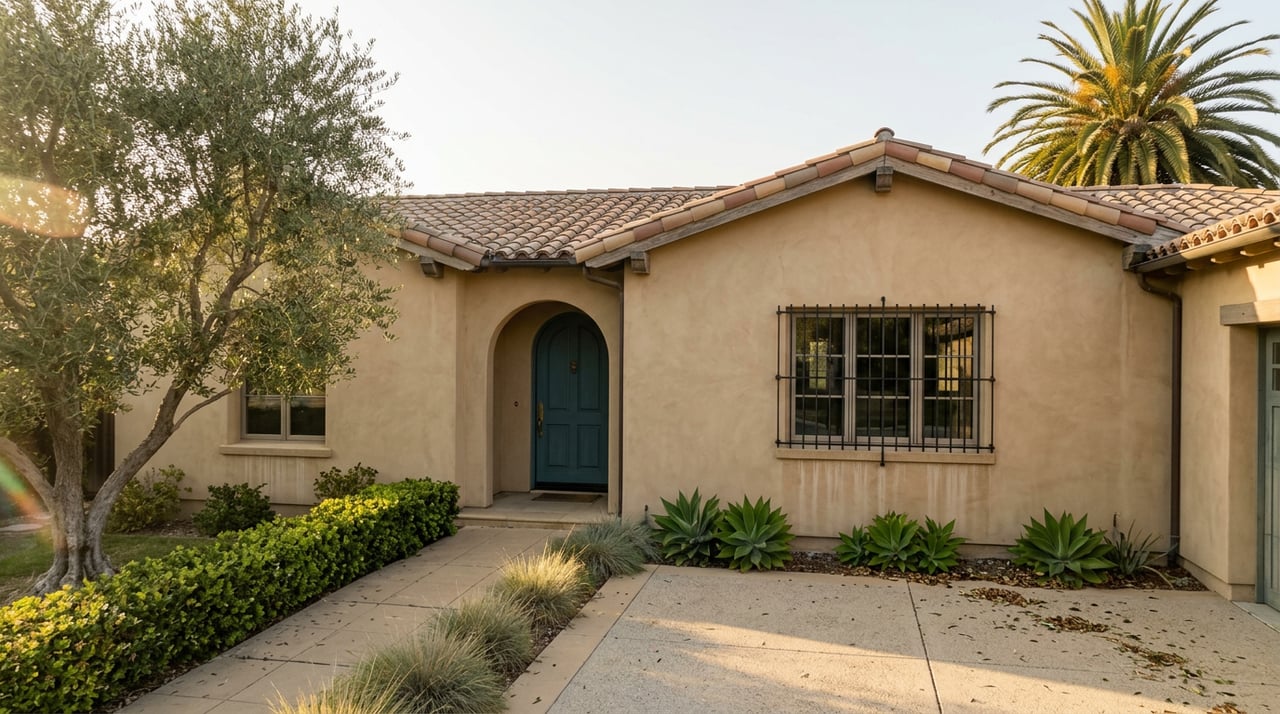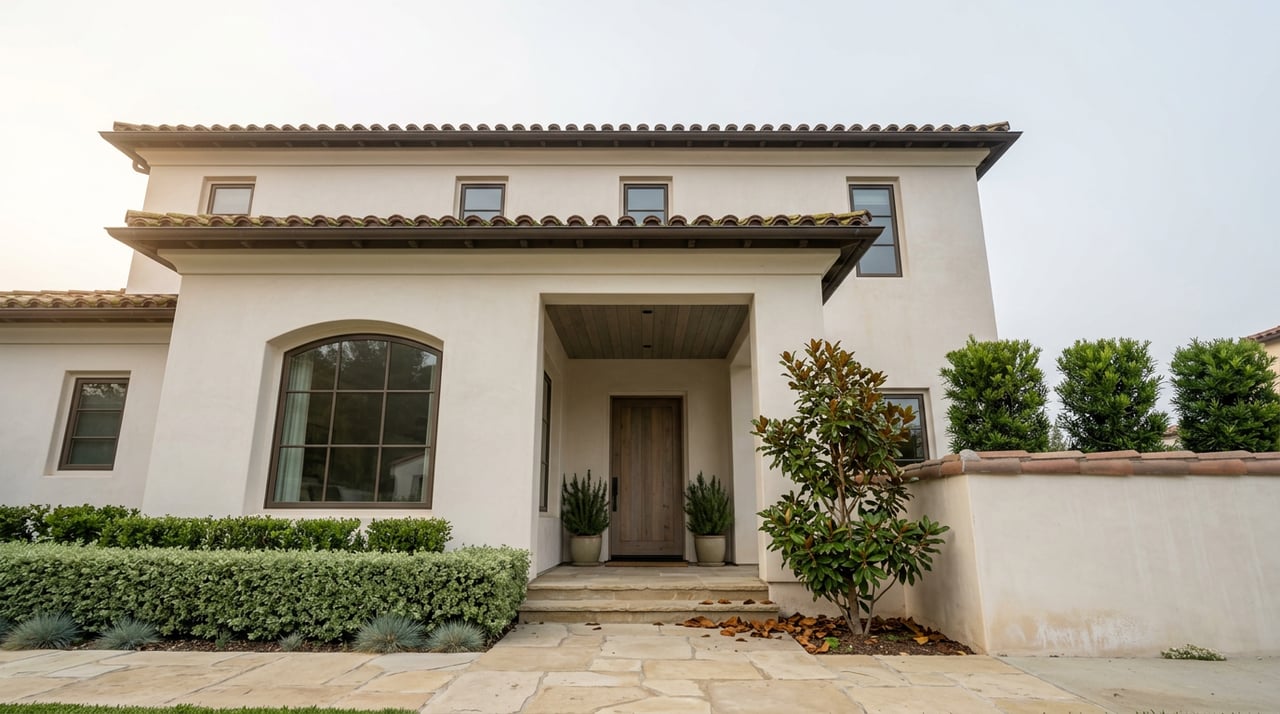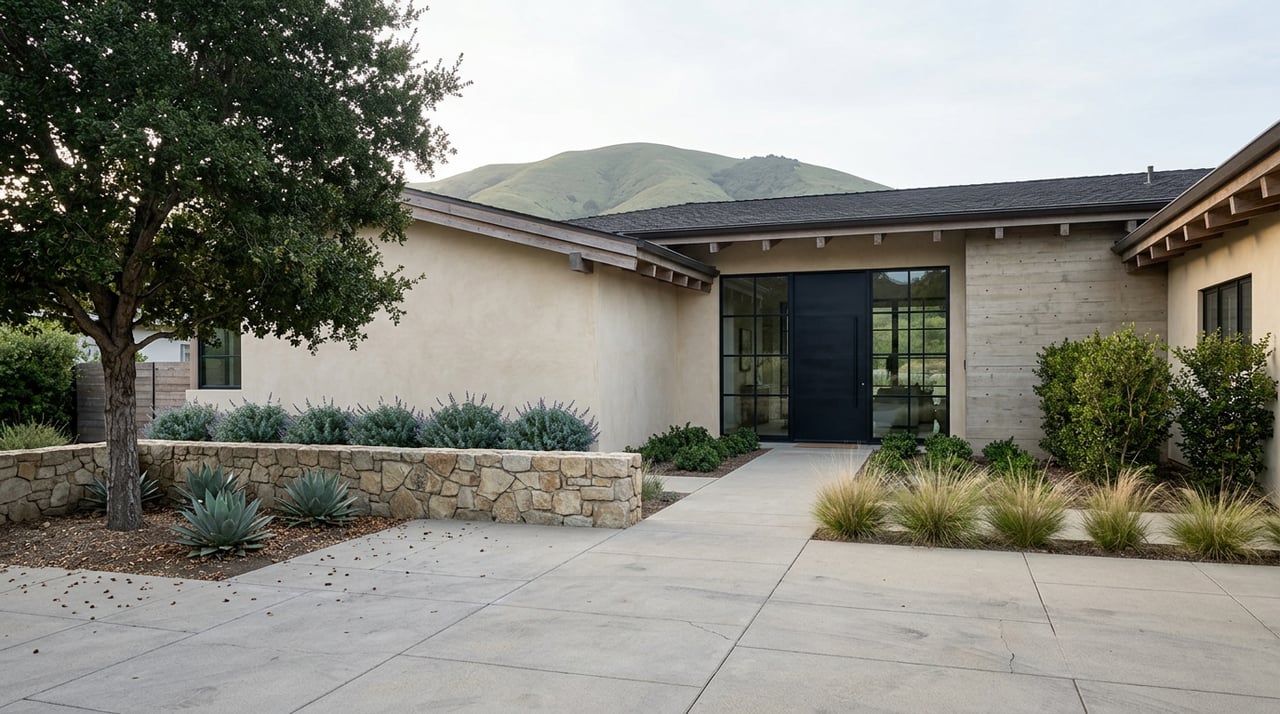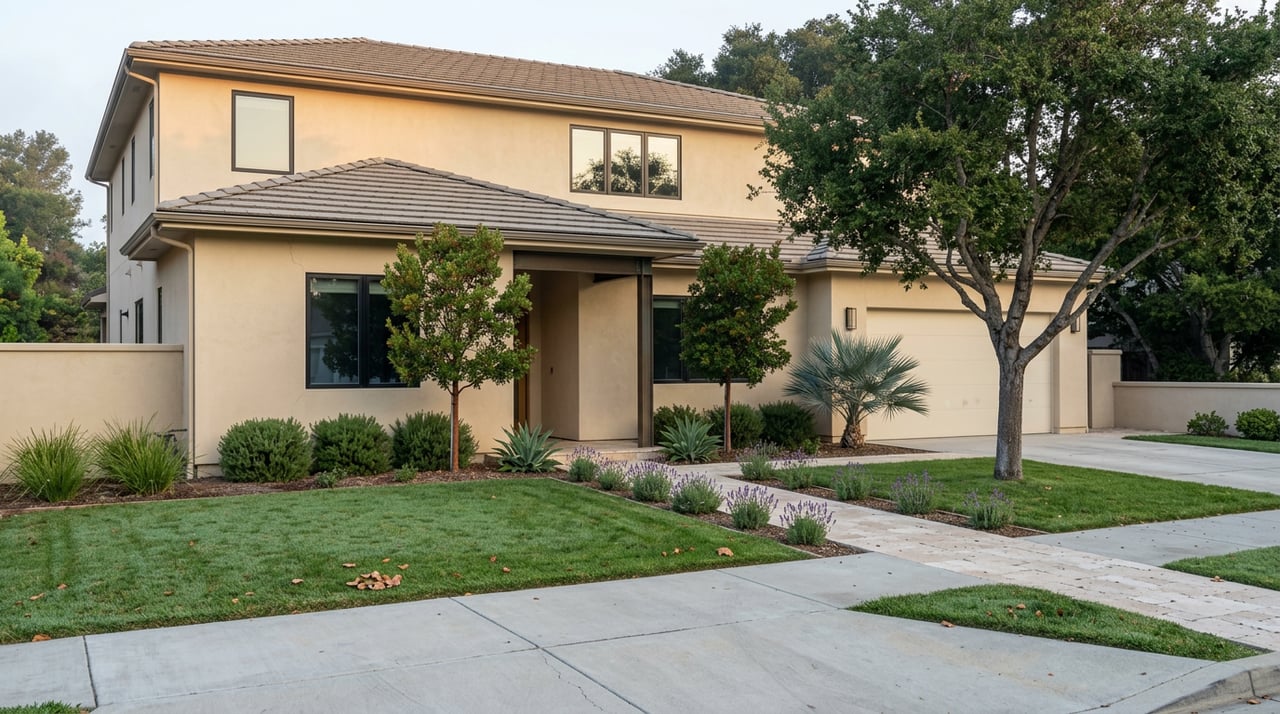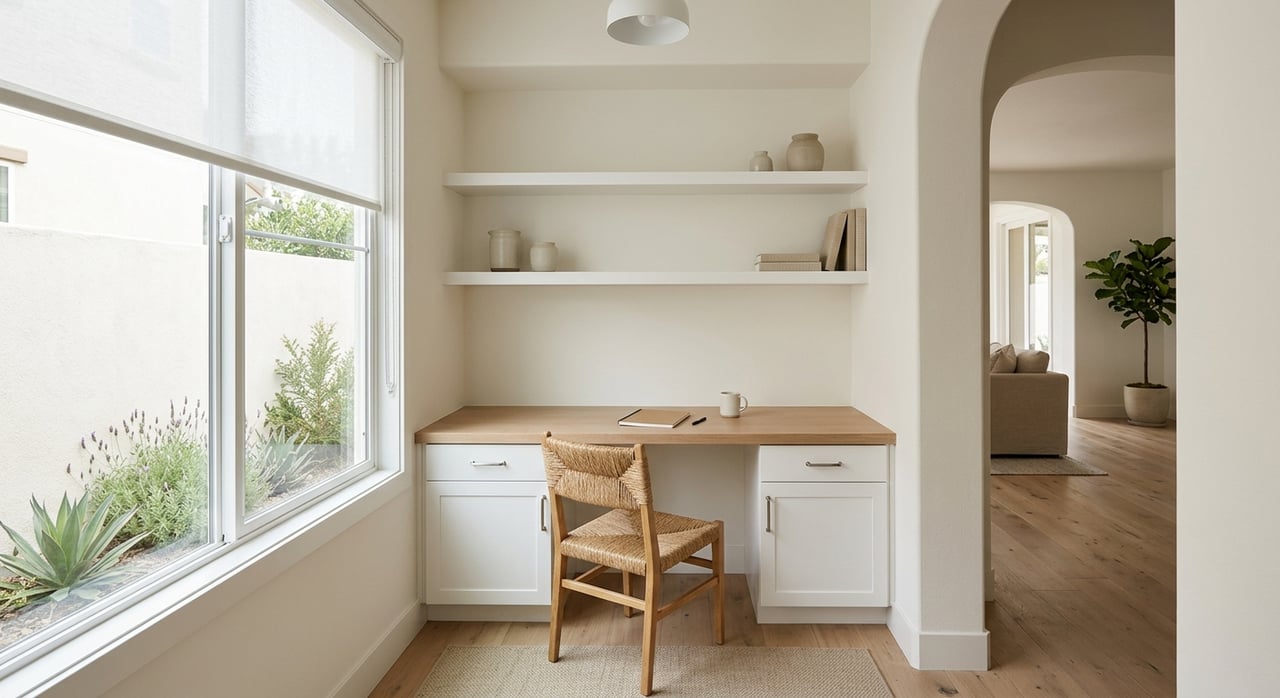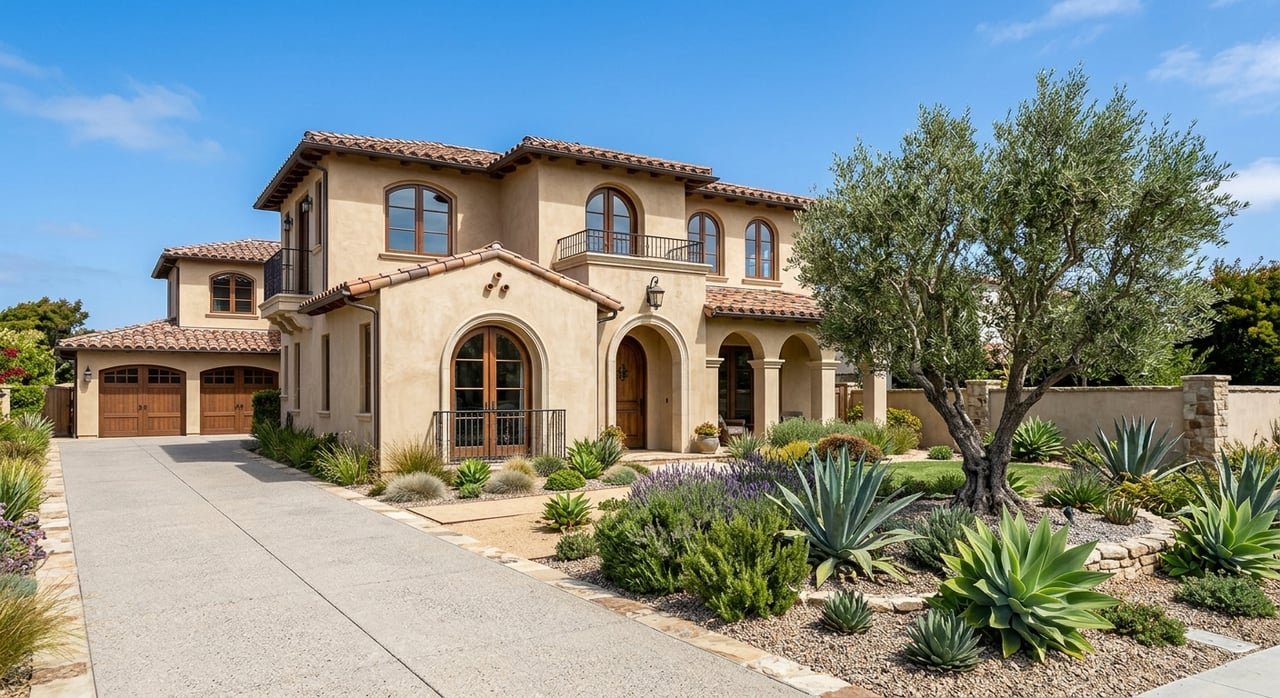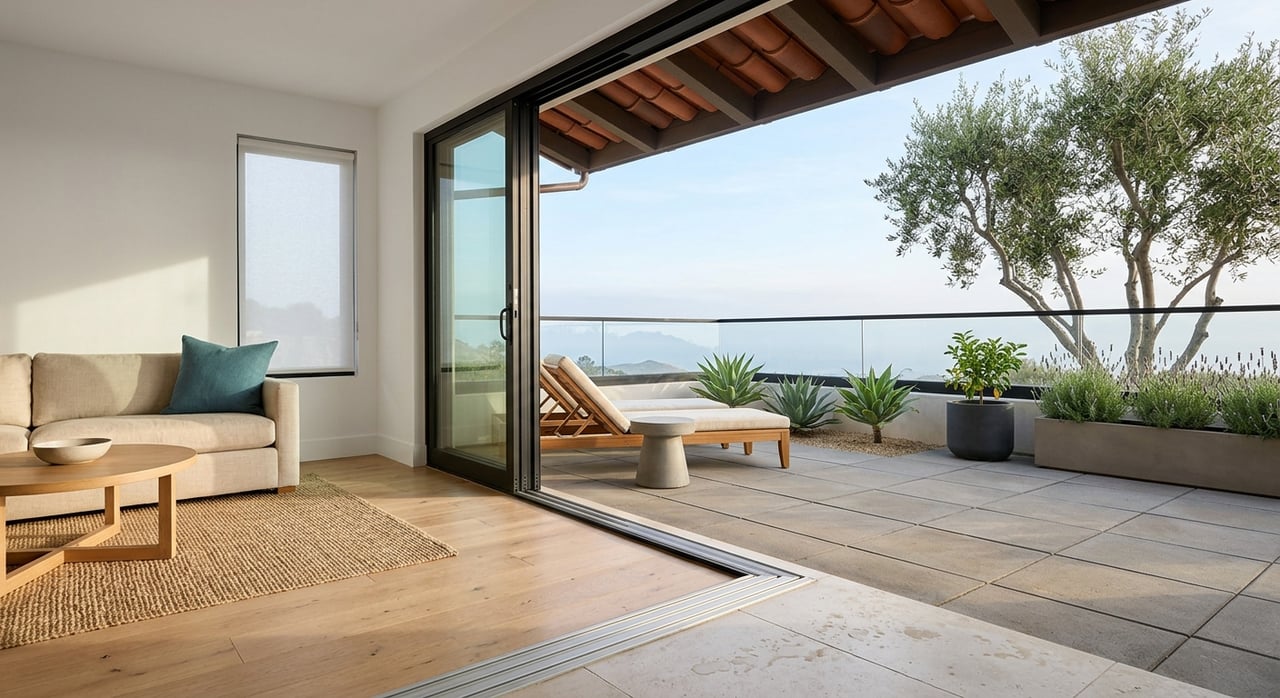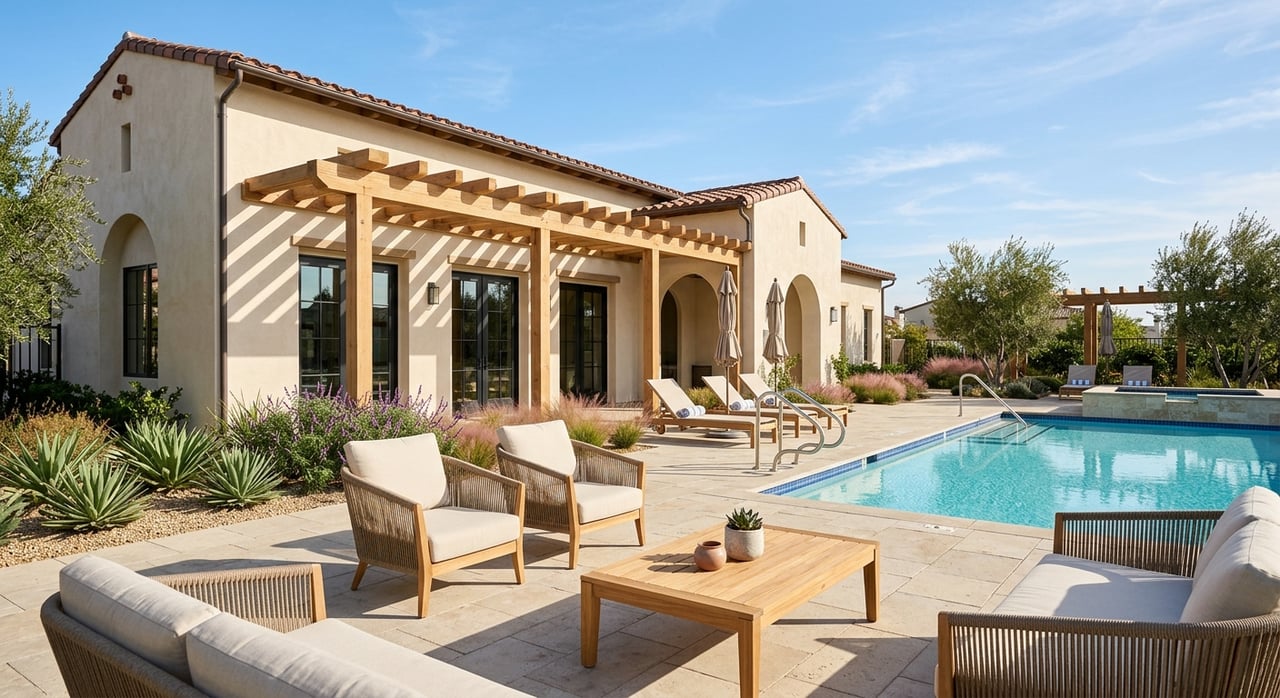
If you have ever driven through San Juan Capistrano and wondered why one street feels rooted in California history while another looks polished and newly planned, you are not imagining it. This city has a wider range of home styles than many Orange County communities, and that can be exciting if you are buying or selling here. Understanding how those styles developed can help you narrow your search, set better expectations, and make smarter decisions. Let’s dive in.
Why San Juan Capistrano Looks So Different
San Juan Capistrano is one of Orange County’s oldest communities, with history that stretches back to the founding of the Mission in 1776. The city describes its evolution through several eras, including prehistory, the Spanish era, the Mexican and Rancho era, statehood, and the twentieth century. That layered history helps explain why the housing stock does not follow a single formula.
The city also makes clear in its architectural guidelines that detached homes are not required to follow one set style. Instead, the focus is on quality, compatibility, open space, and protecting natural and cultural features. For you as a buyer or seller, that means San Juan Capistrano is less about uniformity and more about context.
Historic Homes Near the Mission
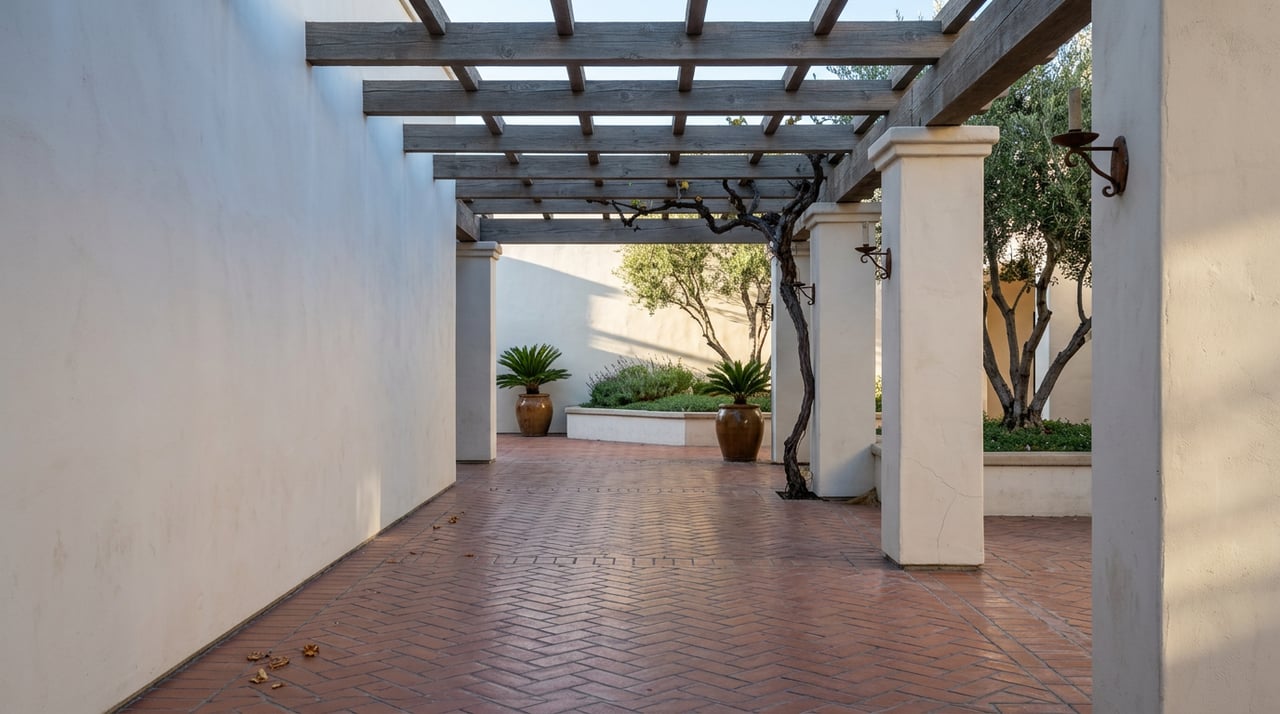
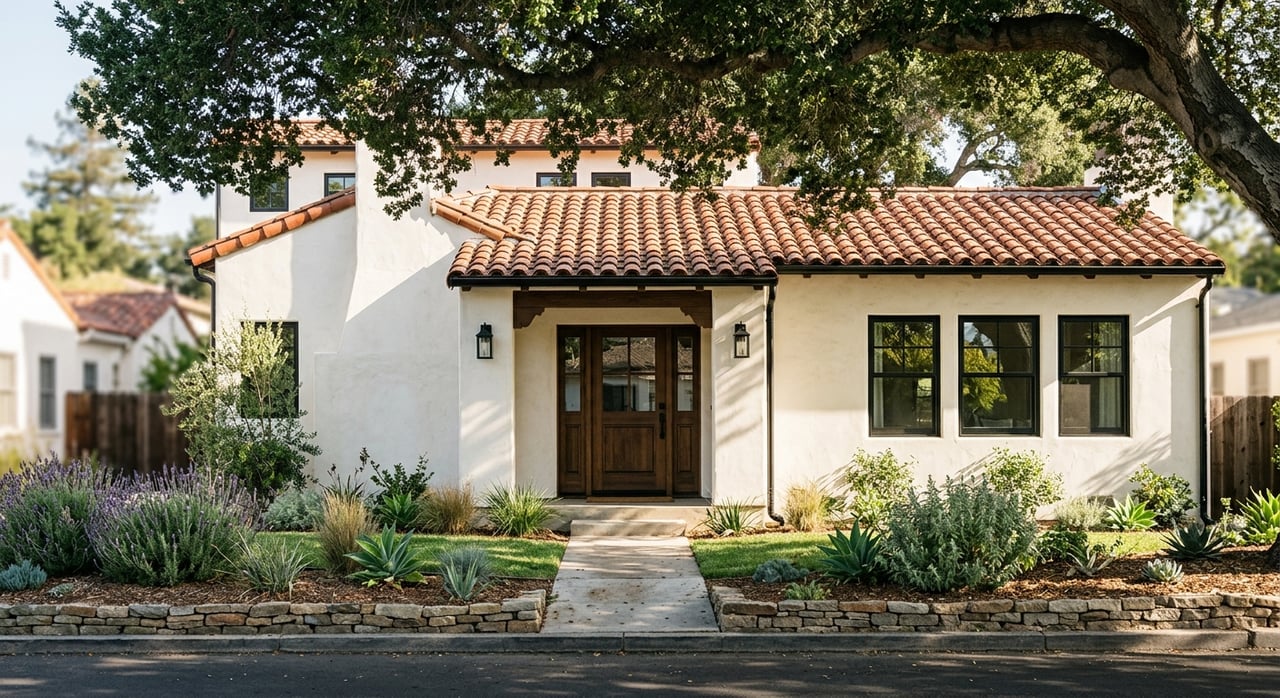
Some of the city’s most recognizable character is found in and around the historic core. This includes areas tied to the Mission, downtown, and the Los Rios Street Historic District, along with early neighborhoods like Mission Hill-Mission Flats. The city’s historic inventory also includes eighteenth- and nineteenth-century adobe buildings, ranch buildings, farmhouses, and early twentieth-century homes.
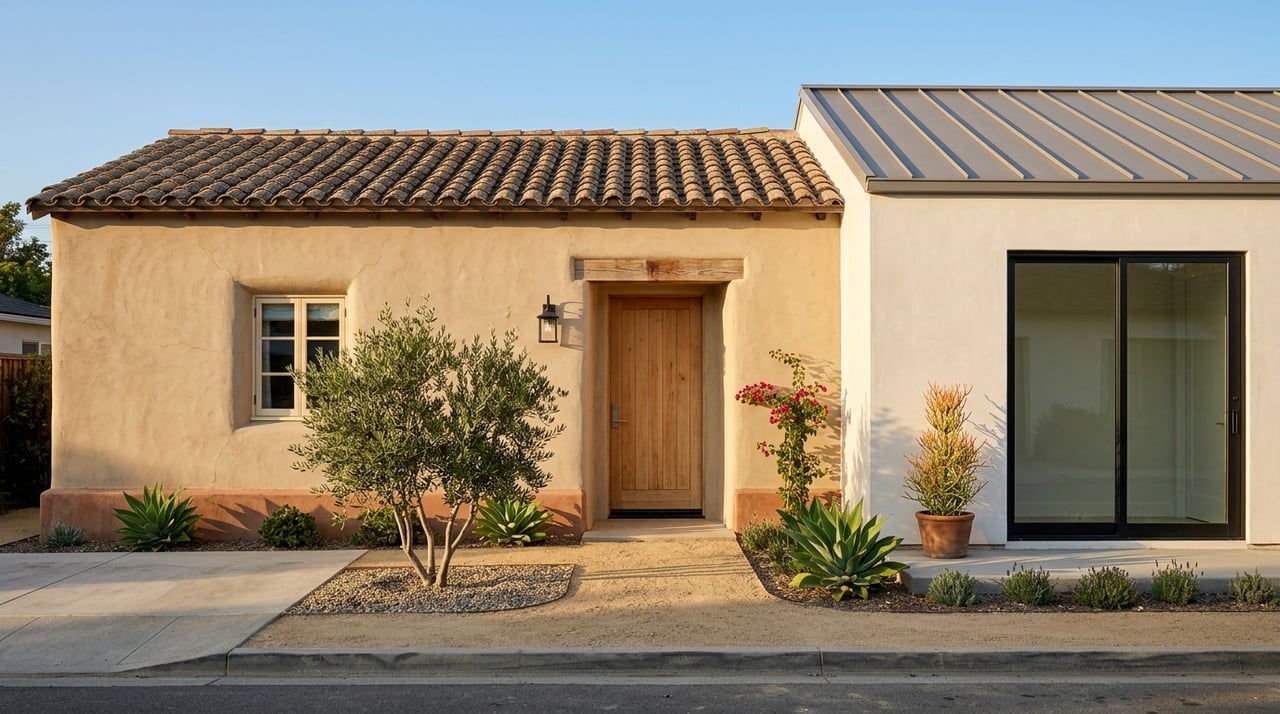
That matters because “historic home” in San Juan Capistrano can mean several different things. You may see true adobe structures, older wood homes, ranch-era residences, and smaller historic properties in the same general area. It is a richer and more varied mix than you might expect if you are used to master-planned neighborhoods elsewhere in Orange County.
Adobe and Early Residential Roots
After the Mission era, many adobe homes were built for Native and intermarried families connected to the Mission. Later, during the statehood period, board-and-batten homes were built next to Mission-era adobes in the Los Rios area. This created a streetscape that reflects different chapters of local history rather than one clean architectural reset.
The Los Rios area remains especially significant. The city describes it as a historically rich neighborhood with rural character, and it includes structures such as the Rios Adobe and Montanez Adobe, which are among the oldest buildings in the county. The Rios Adobe may also be the oldest continuously inhabited residence in Orange County.
What Historic Ownership Can Mean
If you are drawn to the charm of older homes near the Mission or Los Rios, it is important to think beyond appearance. The city’s preservation program says designated landmarks and historic districts are subject to local preservation policy. Alterations, additions, relocation, or demolition of a landmark require city review through the site plan process.
In practical terms, these homes can come with more oversight and more sensitivity around repairs or updates. That does not make them harder to own, but it does mean your planning process may look different than it would for a newer property. For sellers, that history can be a strong part of the home’s story, but presentation and documentation matter.
Equestrian Properties and Larger Lots
San Juan Capistrano is also known by the city as an equestrian destination. Horses, stables, and riding facilities are part of the local identity, and the city maintains public equestrian and bike trails. That creates a very different housing experience from a typical suburban tract neighborhood.
Some properties are shaped around land use, outdoor access, and horse-friendly features rather than compact lots and uniform streets. If you are looking for more elbow room, utility, or outdoor flexibility, this part of the local housing mix may stand out. It offers a lifestyle that feels distinctly different from newer planned communities.
What to Expect From Horse Property
The city’s zoning and land-use framework specifically includes horse keeping, equestrian facilities, and horse stables or equestrian centers. That tells you these properties are part of the city’s housing ecosystem, not an exception. They are built into how San Juan Capistrano functions.
With that lifestyle comes more day-to-day responsibility. The city notes that animal owners are responsible for basic care and sheltering during emergencies and should have a practiced evacuation plan. The city also provides water-quality guidance for equestrian facilities that addresses manure, waste, and runoff management.
For you, that usually means more upkeep tied to the land itself. Fencing, drainage, outbuildings, barn areas, and open-space maintenance can all become part of ownership. If you love the lifestyle, that tradeoff may feel well worth it, but it is smart to go in with clear expectations.
New Builds and Planned Communities
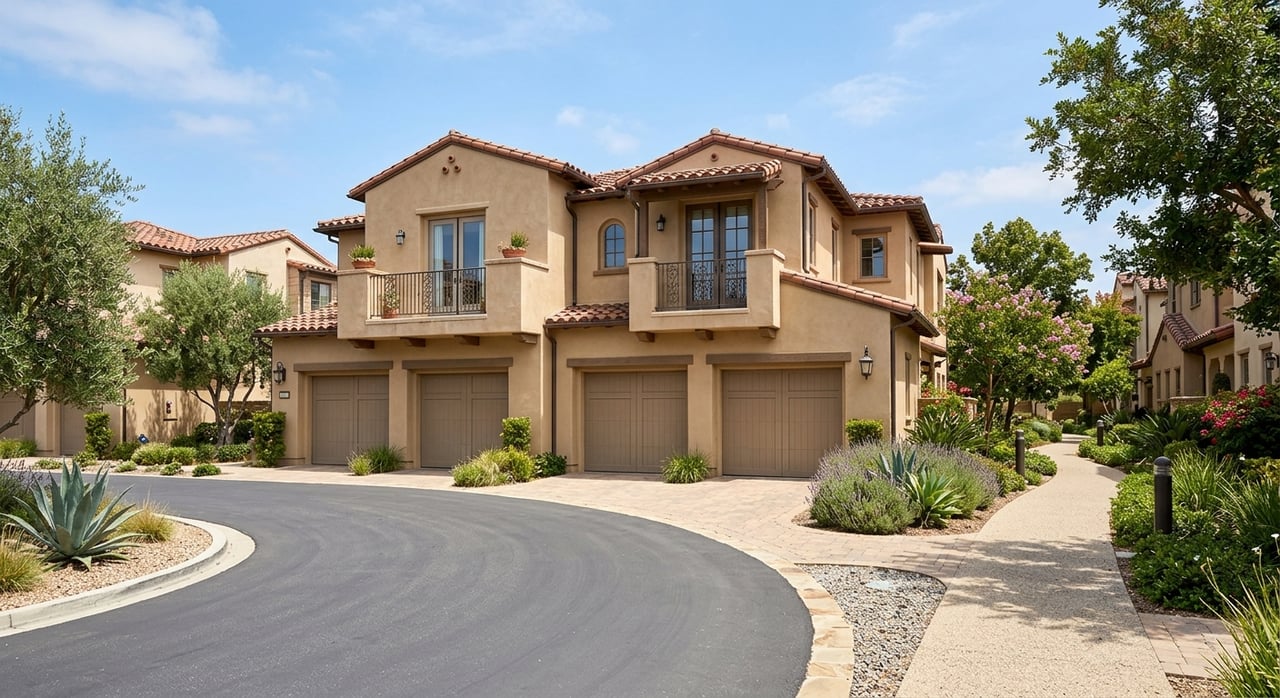
On the other end of the spectrum, San Juan Capistrano also has many newer neighborhoods shaped by planning documents and community-specific standards. The city lists multiple Comprehensive Development Plans, including Ortega, Forster Canyon, Rancho San Juan, Marbella, Whispering Hills, Ortega Ranch, The FARM, and Distrito La Novia / San Juan Meadows. Pacifica San Juan also has its own design guidelines.
This tells you something important about newer housing in the city. These homes are often not simply built lot by lot with unlimited variation. They are usually guided by a larger plan, which helps create a more consistent look and feel within each community.
How the City Shapes Newer Design
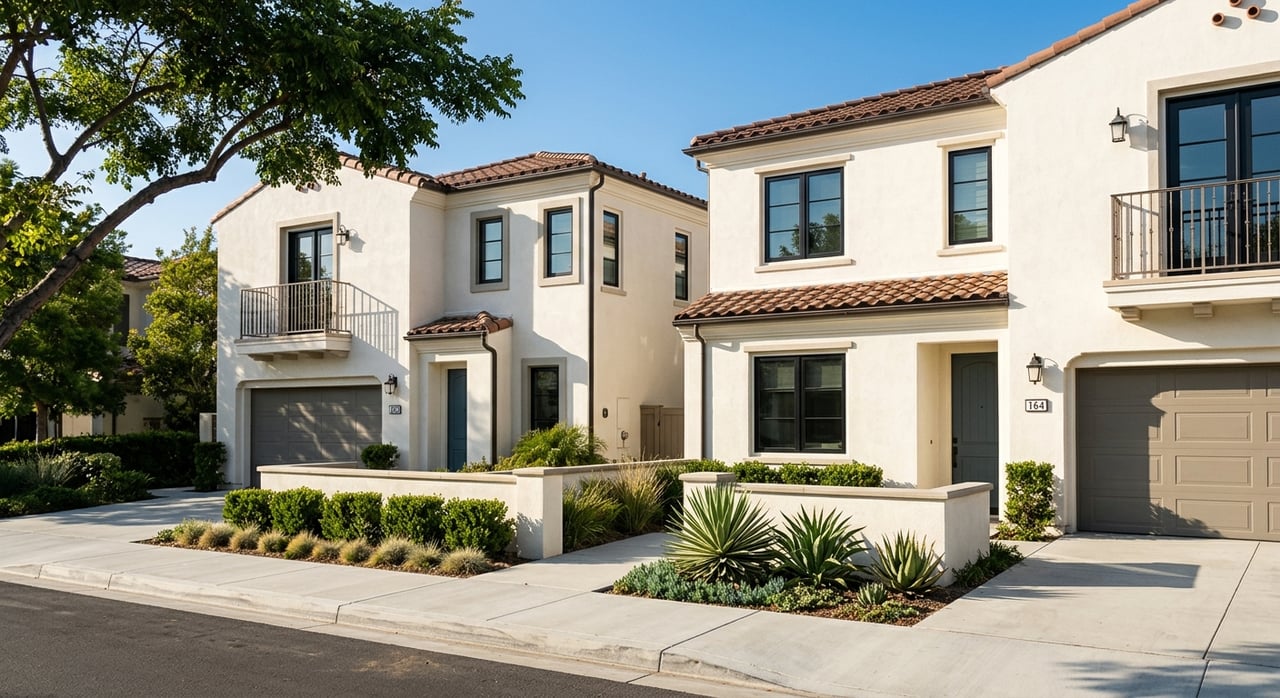
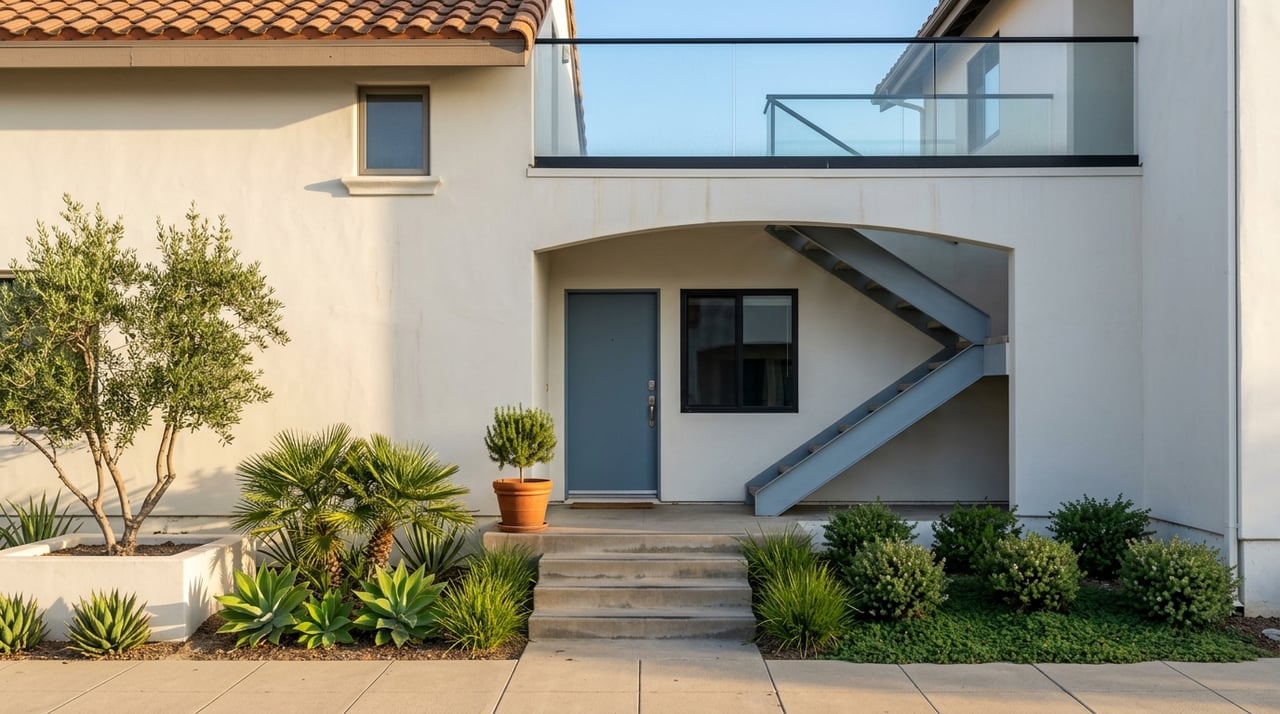
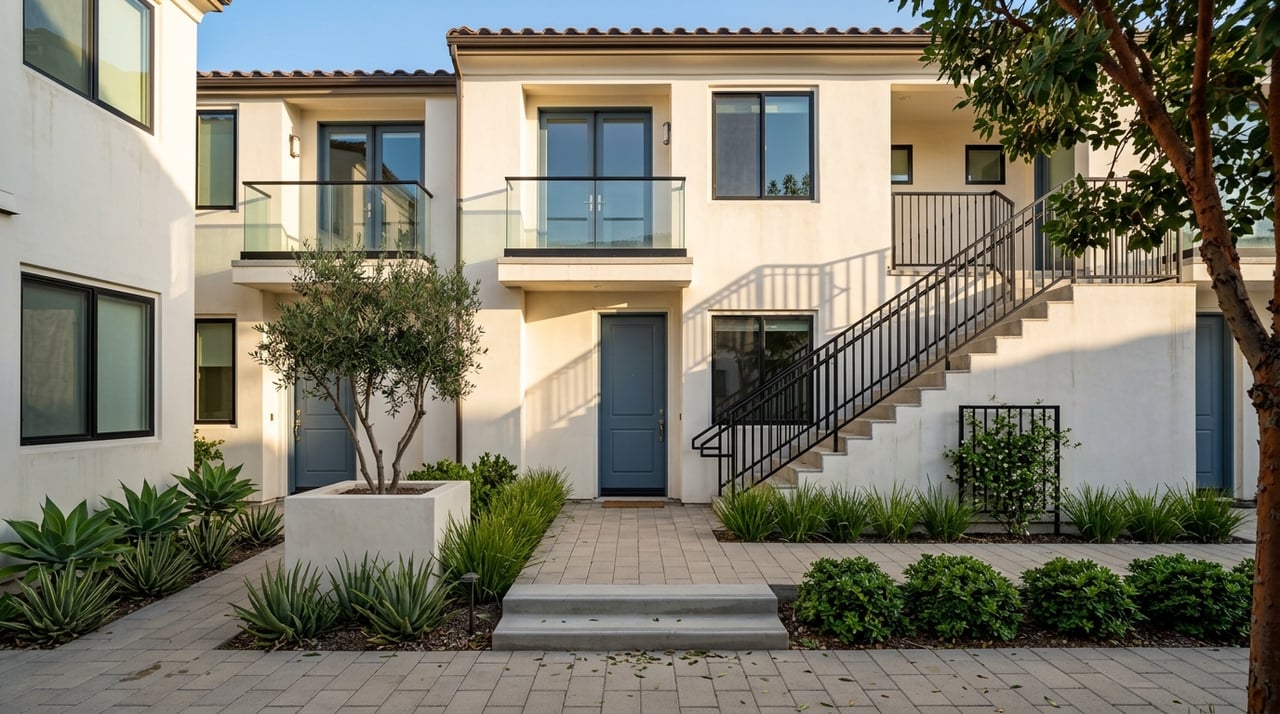
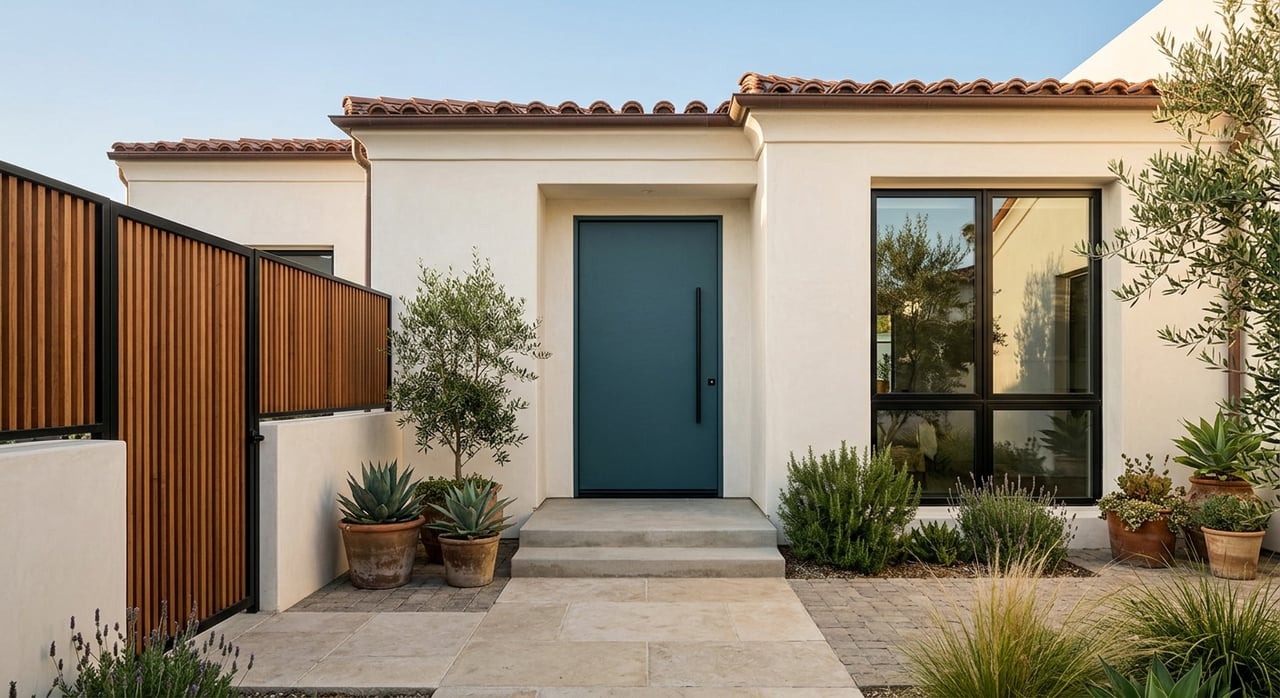
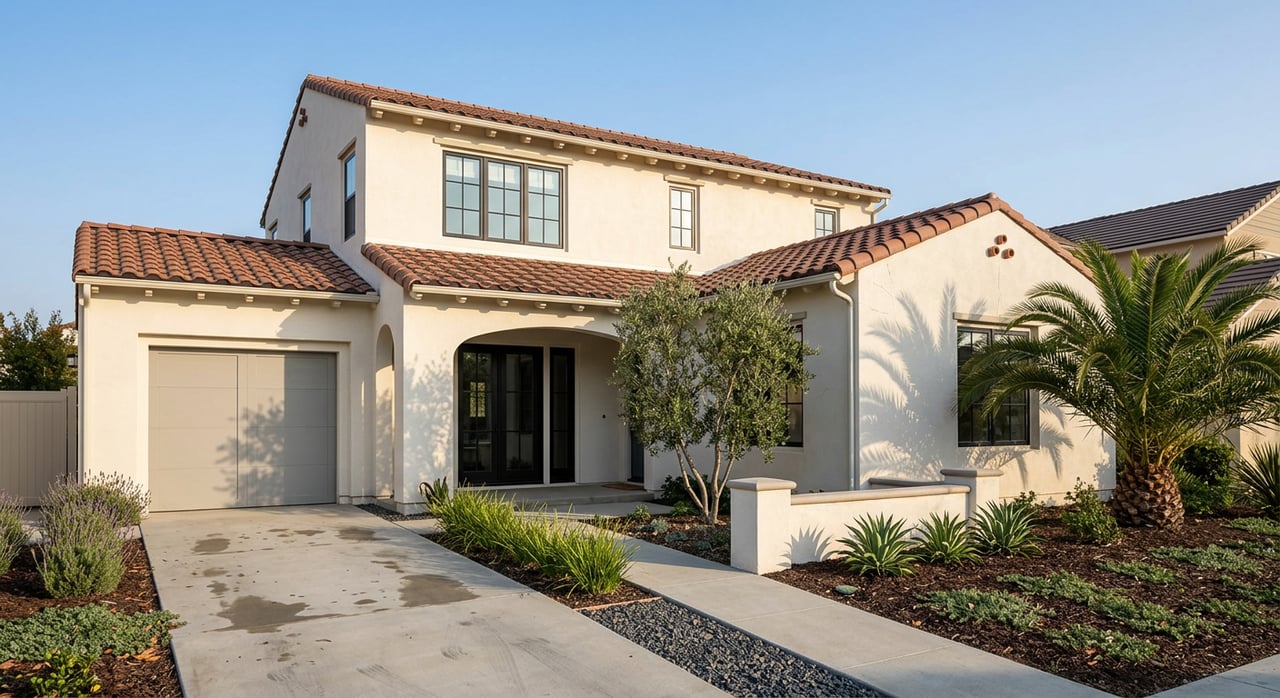
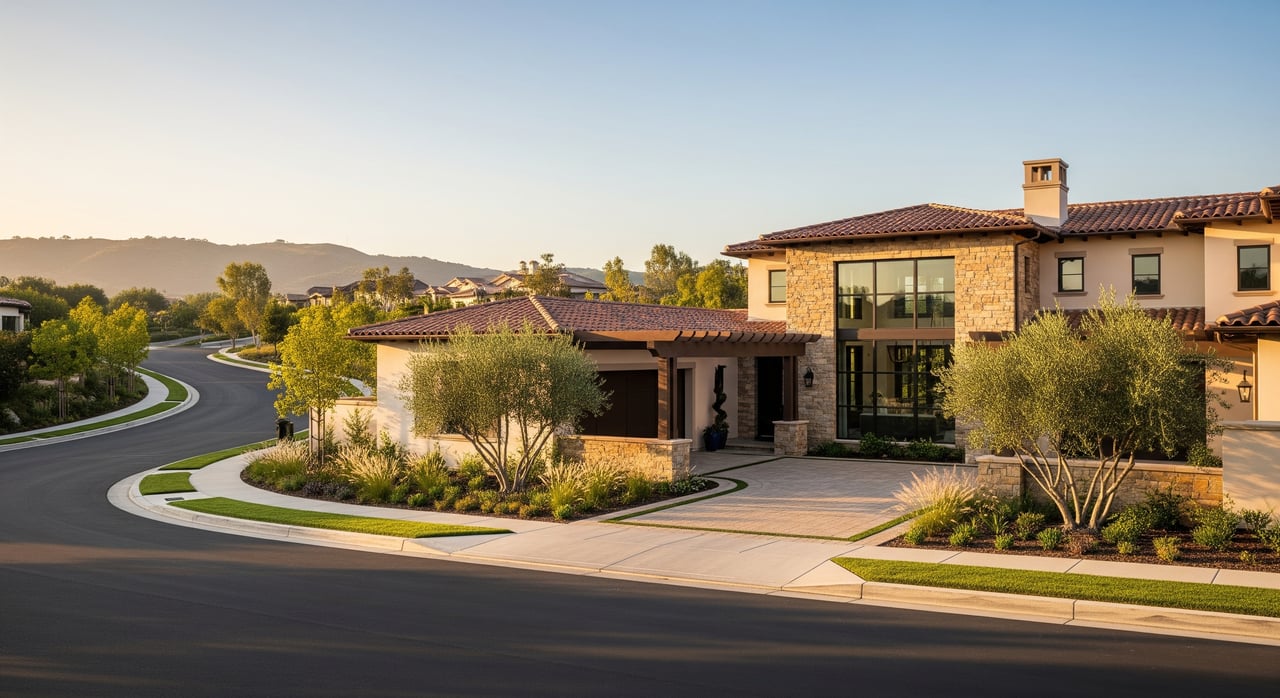
The city’s single-family design rules describe what newer homes are expected to do. They emphasize pedestrian-friendly site planning, preservation of topography, compatible massing and materials, and human-scale details like porches and articulated rooflines. The guidelines also encourage garage placement that feels less dominant, including side-entry or deep-recessed garages.
That helps explain why many newer homes in San Juan Capistrano feel more considered than a generic subdivision. Even when the homes are newer, they are often designed to fit the surrounding setting and maintain a neighborhood-scale appearance. For buyers, this can translate into a more predictable visual environment and a more cohesive streetscape.
The FARM as a Public Example
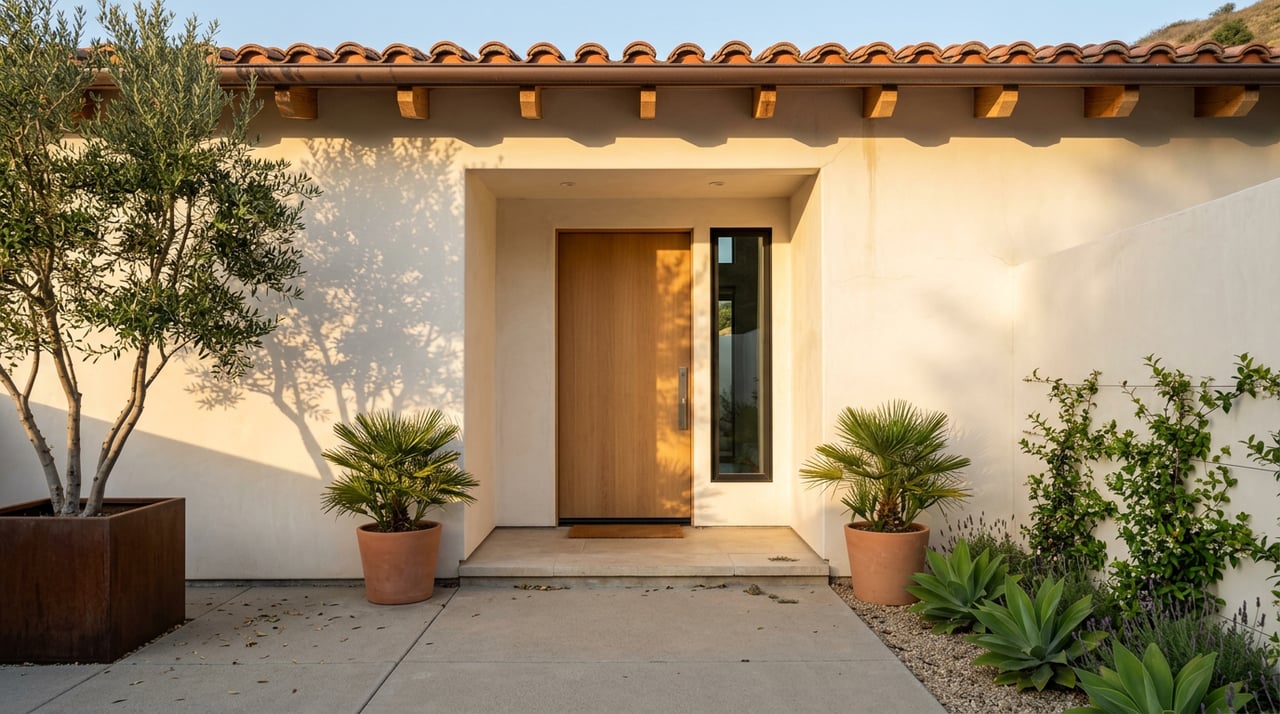
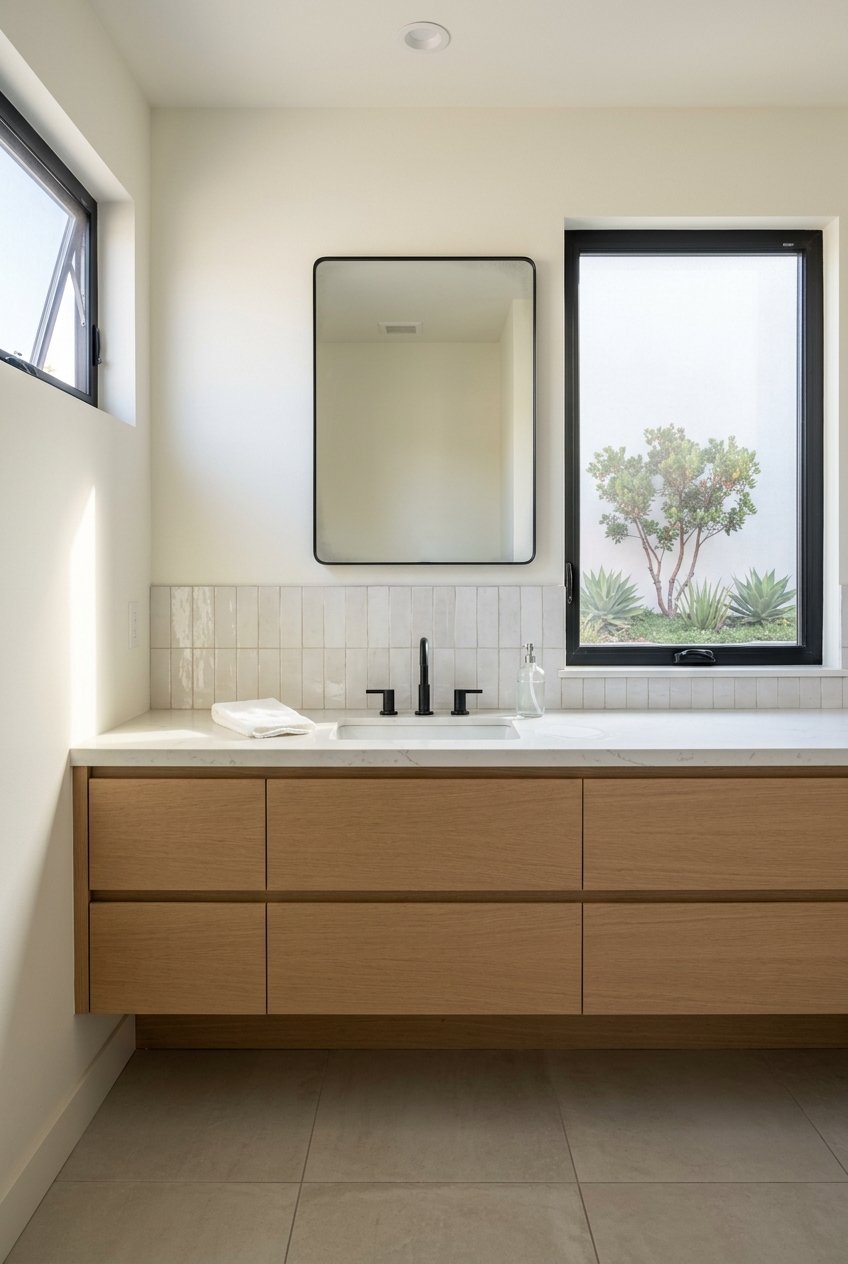
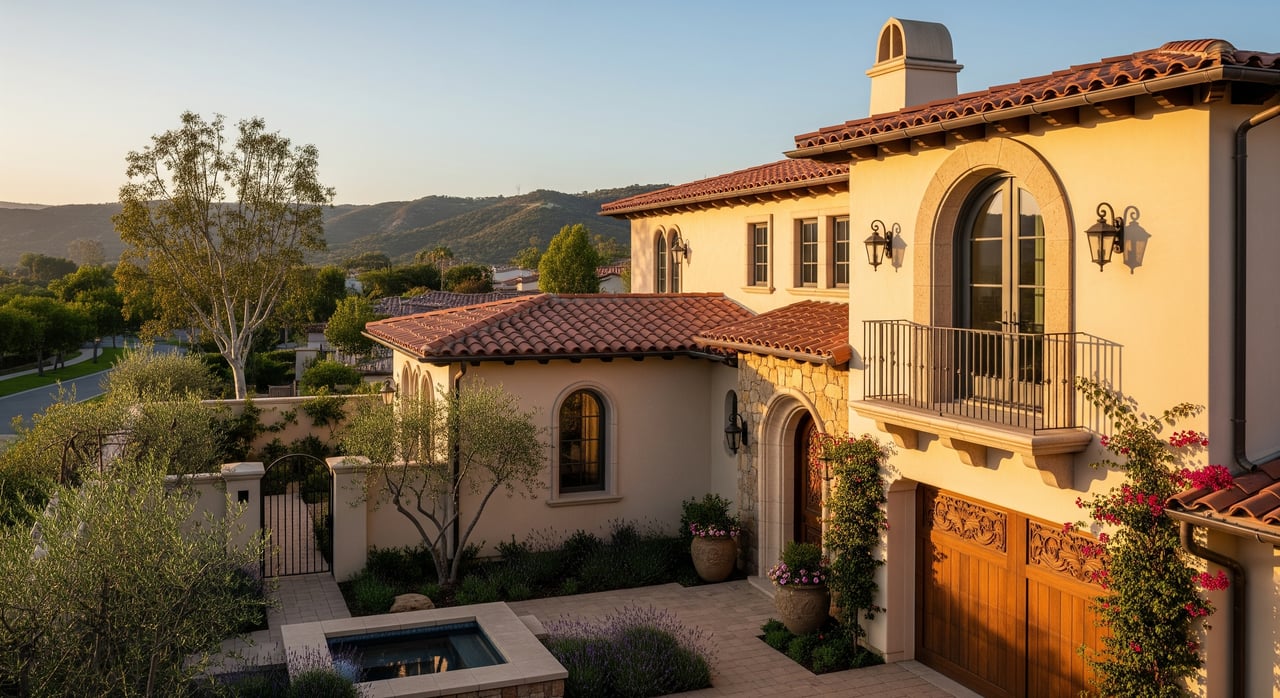
The FARM offers one of the clearest examples of how San Juan Capistrano approaches recent development. Its specific plan calls for a Classic California Spanish style and or an agricultural theme that fits the city’s architectural heritage. The plan also includes up to 180 residences, walking paths, open space, drought-tolerant and low-water landscaping, and design standards that favor pitched roofs, porches, balconies, and consistent window and door styles.
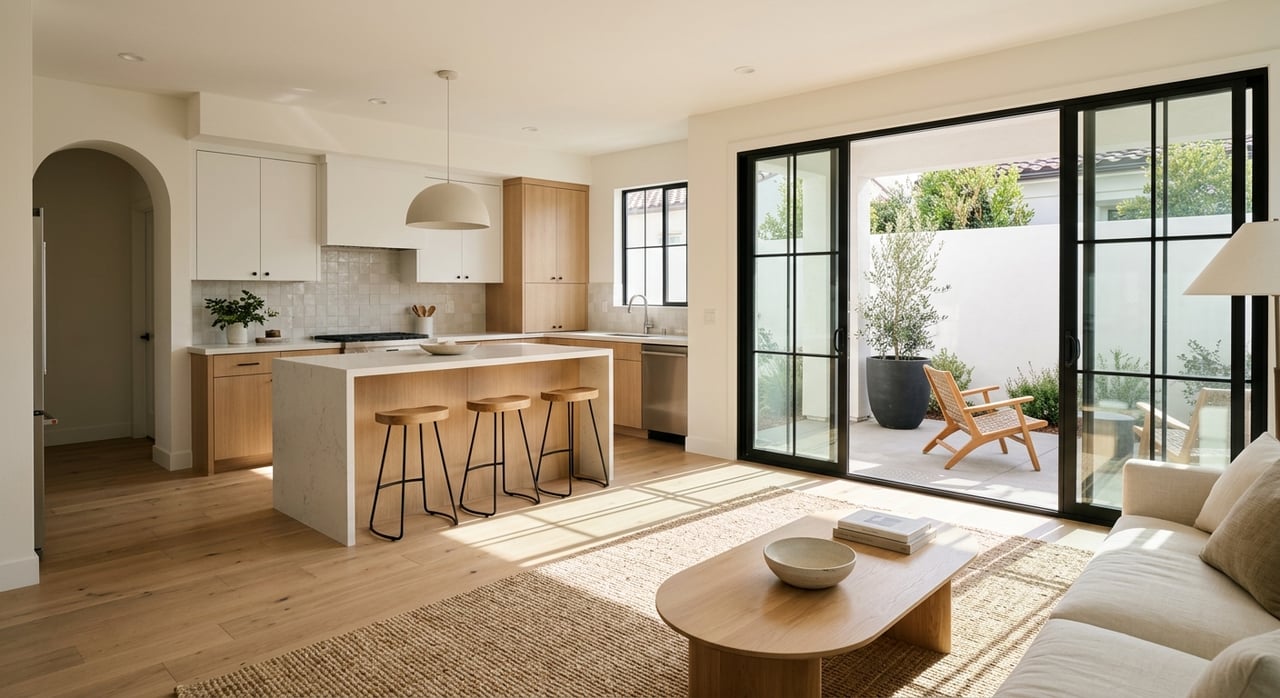
If you are shopping for a newer home but still want something that feels tied to local character, this planning approach may appeal to you. Newer neighborhoods here often aim for a balance between updated living and place-sensitive design. That is part of what makes San Juan Capistrano stand apart from more formulaic new-home markets.
Comparing San Juan Capistrano Home Types
The easiest way to think about local home styles is by lifestyle and maintenance. Different parts of the city offer very different ownership experiences, even when homes are only a short drive apart.
| Home type | What stands out | What to keep in mind |
|---|---|---|
| Historic adobe and older homes | Authentic character, proximity to the Mission area, unique architecture | More preservation sensitivity and possible city review for changes |
| Equestrian and acreage properties | More land, horse-friendly setup, outdoor utility | More responsibility for upkeep, drainage, fencing, and animal logistics |
| Newer planned communities | More consistent design, open space, updated layouts | Community-specific standards and less architectural freedom |
How to Choose the Right Fit
If you are buying, start by asking what kind of ownership experience you actually want. Are you drawn to history and one-of-a-kind character, or do you prefer a more streamlined home with more predictable maintenance? Do you want land and outdoor function, or a home that feels easier to manage day to day?
If you are selling, it helps to understand how your home fits into this bigger local story. Buyers often respond strongly to context in San Juan Capistrano because the city offers such a broad mix of product types. A thoughtful pricing and marketing strategy should highlight not just the house itself, but also why that style of living appeals to the right buyer.
This is where local product knowledge matters. Historic considerations, planned-community standards, and construction details can all influence how a home is positioned and how buyers evaluate it. When you understand the lane your property belongs in, decisions around preparation, pricing, and negotiation become much clearer.
San Juan Capistrano is not a one-style town, and that is exactly the point. From adobe roots to equestrian living to thoughtfully designed new communities, the city offers a rare mix of history, land, and newer housing options in one market. If you want help understanding where a property fits and how to navigate the next move with confidence, connect with Matt Whitcomb.
FAQs
What home styles are common in San Juan Capistrano?
- San Juan Capistrano includes historic adobe buildings, early wood homes, ranch and farmhouse properties, equestrian and acreage homes, and newer planned-community residences shaped by specific design guidelines.
What should buyers know about historic homes in San Juan Capistrano?
- Buyers should know that designated landmarks and homes in historic districts may be subject to local preservation policies, and certain changes may require city review through the site plan process.
What makes equestrian properties in San Juan Capistrano different?
- Equestrian properties are part of the city’s established land-use pattern and often involve more land-management responsibility, including fencing, drainage, facility upkeep, and emergency planning for animals.
What are newer communities in San Juan Capistrano like?
- Newer communities are often guided by Comprehensive Development Plans or community-specific standards that shape architecture, open space, site layout, and overall neighborhood appearance.
Is San Juan Capistrano mostly historic or mostly new construction?
- It is a mix of both, with a historic core near the Mission and Los Rios area, equestrian pockets with larger lots, and newer master-planned neighborhoods throughout the city.
How can sellers position a San Juan Capistrano home effectively?
- Sellers can benefit from framing the home within its local context, whether that means historic character, equestrian utility, or newer design consistency, and using a strategy that matches the property’s strengths and likely buyer profile.